Airlines Swap Economy Seat Padding for Space: Why It Matters

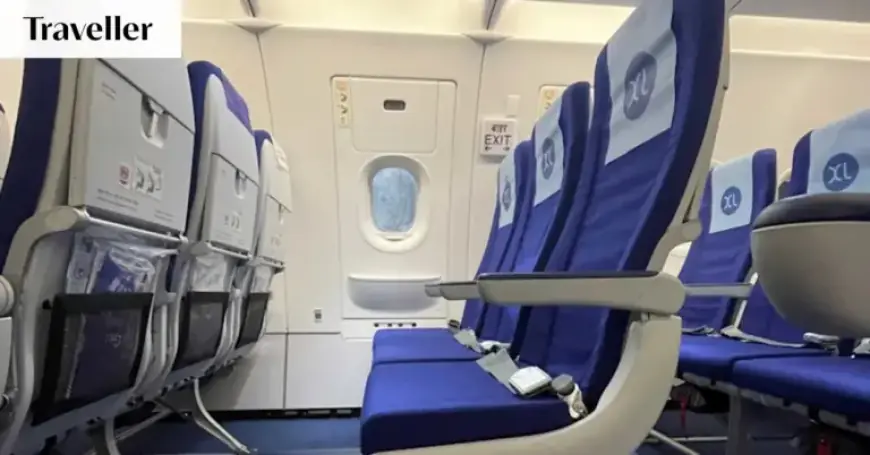
The airline industry is making notable changes in economy seating by swapping traditional padding for slimline designs. This shift has significant implications for passenger comfort and airline efficiency.
Understanding the Impact of Slimline Seats
Recent trends show that airlines are prioritizing weight and durability over comfort in their economy cabins. While the thickness of a seat is often overlooked, it plays a crucial role in legroom. With slimline seats, such as those manufactured by Recaro, airlines can create extra space between rows without significantly compromising comfort.
The Importance of Seat Pitch vs. Seat Thickness
Seat pitch refers to the distance between seats in a row. However, it does not account for seat thickness. For example, a slimline seat with a pitch of 73 centimeters can offer more legroom than a traditional seat with a pitch of 78 centimeters. This difference can enlarge usable space by up to 5 centimeters, providing passengers with additional comfort.
Airlines Embrace Slimline Designs
Major airlines, including Qantas and American Airlines, have adopted slimline seats. These seats are lighter and boast fewer moving parts, reducing maintenance issues and enhancing durability. Moreover, the composite materials used in their construction resist sagging over time.
The latest lightweight models, like Recaro’s R1, weigh only 8 kilograms. This weight reduction can lead to substantial fuel savings for airlines, which can also install extra rows of seating without sacrificing legroom.
Comfort Comparisons
Many travelers find that slimline seats, designed with better lumbar support and ergonomic features, can be surprisingly comfortable. However, the firmer nature of these seats may become uncomfortable on longer flights. Budget airlines often use slimline seating effectively for short-haul trips, but passenger satisfaction may decline on extended journeys.
Best Airlines for Slimline Comfort
Some airlines are recognized for their commitment to passenger comfort in economy class:
- Japan Airlines (JAL): Known for its Recaro CL3810 seats on A350-1000s, the airline offers a generous seat pitch of 86 centimeters.
- Qantas: Also utilizes the Recaro CL3810 seat for its long-haul Project Sunrise flights, featuring adjustable headrests.
- Singapore Airlines: Employs the Recaro CL3710 on its Boeing 787-10s, with a seat pitch of 81 centimeters.
Upcoming Innovations
In mid-2026, All Nippon Airways (ANA) will introduce new Recaro R3 seats on its Boeing 787-9 aircraft. These seats will include Bluetooth connectivity, enhancing the entertainment experience for passengers on long-haul flights.
Conclusion
The evolution of economy class seating reflects airlines’ need for efficiency and passenger comfort. As airlines continue to optimize their cabin designs, the balance between durability and comfort will significantly shape future traveler experiences. In an industry where space is at a premium, the meticulous choice of seat design can transform flights from mere endurance to pleasurable journeys.