Oil Surge Drives Inflation to Three-Year High

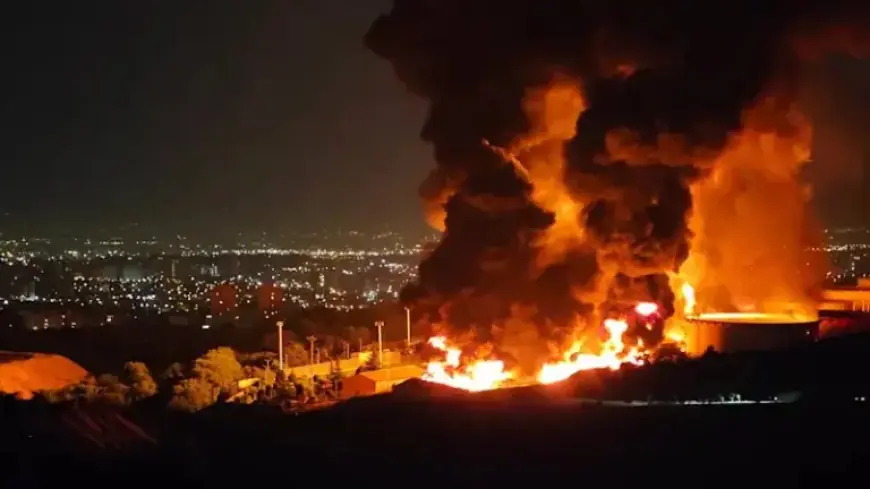
A recent surge in oil prices has created significant concerns about inflation reaching three-year highs. The cost of crude oil has escalated rapidly, now at $91 per barrel, marking a substantial increase in global oil prices which could exceed $100 per barrel soon. These changes may compel central banks to reassess their strategies in response to rising inflation and its impact on economic stability.
Impact of Rising Oil Prices on Inflation
Motorists are already feeling the effects, with fuel prices climbing dramatically. In Sydney, unleaded petrol exceeded $2.09 per litre, while prices were slightly lower in Melbourne. This sharp increase in fuel costs is expected to continue as analysts predict prolonged high oil prices due to instability in the Middle East, particularly surrounding the Strait of Hormuz.
- Current oil price: $91 per barrel
- Predicted to exceed: $100 per barrel soon
- Sydney petrol prices: Over $2.09 per litre
- Melbourne petrol prices: Approximately 10¢ cheaper than Sydney
Household Financial Strain
The rise in oil prices translates to higher costs for average households, potentially adding at least $14 weekly and over $700 annually in fuel expenses. Economists warn that as families adjust their budgets to afford fuel, spending in other areas might decline. This behavioral shift raises concerns about overall economic activity.
Inflation Predictions and Monetary Policy
The Reserve Bank of Australia (RBA) previously anticipated inflation would hit 4.2% by June, largely due to the cessation of government subsidies. With current oil prices 40% above initial forecasts, the inflation rate might escalate to about 4.6%, a peak not seen since late 2023. The RBA’s monetary policy committee will convene next week to determine the best course of action.
- Initial inflation forecast: 4.2% by June
- Revised inflation prediction: 4.6%
- Recent job loss in the US: 92,000 positions
While immediate interest rate hikes are not expected, rising fuel costs could alter inflation expectations for households and businesses alike. Prolonged inflation may lead to demands for increased wages, putting further pressure on the economy.
Concerns for Agriculture and Supply Chain
Another critical concern is the supply of fuel for agricultural needs. Farmers are struggling to access necessary resources for planting, which could jeopardize food security. Reports indicate that fuel deliveries are increasingly unreliable, presenting a serious issue for rural economies.
- Issues reported in southern Queensland
- Concerns over fuel availability for farmers
Industry leaders are urging the government to ensure fuel supplies are distributed efficiently. Without swift action, food security in the country may be significantly threatened.
As oil prices continue to rise and inflation expectations grow, the economic landscape remains precarious. Stakeholders at all levels must remain vigilant in monitoring these developments.