U.S. Gas Prices Skyrocket 14% in One Week

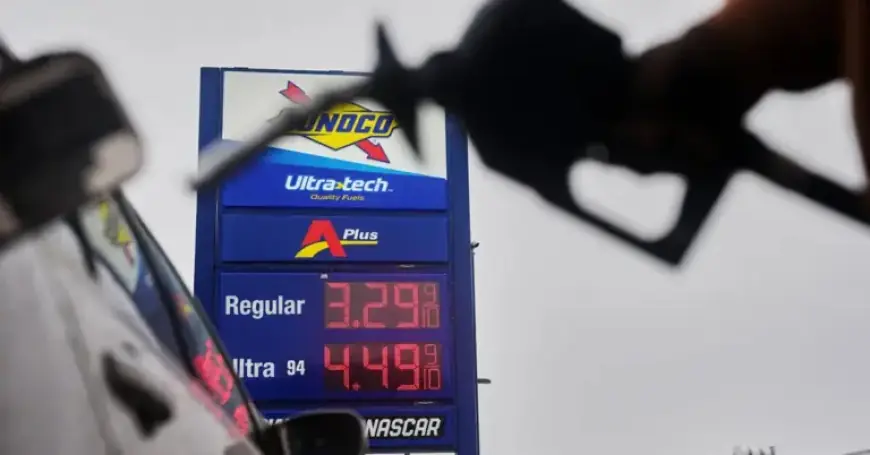
U.S. gas prices have surged dramatically, increasing by 14% in just one week. As of Saturday, the average price for a gallon of gasoline reached $3.41, marking the highest levels since 2024. This spike is largely attributed to the rising crude oil prices, which have surged due to geopolitical tensions, including attacks involving the U.S. and Israel against Iran.
Impact of Crude Oil Prices
The increase in gasoline prices parallels a significant rise in crude oil prices. The U.S. benchmark, West Texas Intermediate, climbed over 35% in just one week, finishing at $90.90 per barrel. This drastic spike in oil prices can be traced back to supply disruptions from the Persian Gulf, which has limited tanker movements and impacted about 20% of the global oil supply.
Variations in Gasoline Prices Across States
- California: Average gas price at $5.08 per gallon (highest in the country).
- Kansas: Average gas price drops to $2.90 per gallon (lowest in the country).
While oil typically accounts for approximately 60% of gasoline costs, several other factors, including taxes, refining margins, and distribution expenses, contribute to the overall price differences across states.
Long-Term Economic Implications
Economists warn that even short-term fluctuations in gas prices can have lasting effects on consumer budgets and the broader economy. Wayne Winegarden, an economist at the Pacific Research Institute, emphasizes the significance of these price increases. He notes that people’s financial situations may be adversely affected, creating long-term economic consequences.
Government Response and Strategic Petroleum Reserve
In light of the rising prices, President Trump indicated that military operations in Iran take precedence over gas price concerns. He believes prices will decline rapidly once stability returns. Historically, actions from the presidency have limited effect on oil prices, but the United States maintains a Strategic Petroleum Reserve. This reserve holds a capacity of 714 million barrels and serves as a buffer during emergencies rather than as a long-term market stabilizer.
In 2022, President Joseph R. Biden Jr. released oil from this reserve to mitigate price spikes following Russia’s invasion of Ukraine. However, experts assert that while the reserve can address immediate shortages, it is not adequate to stabilize market trends.
The current increase in gas prices highlights the critical interplay between global events and local economic conditions, impacting both consumers and the overall economy.