Should Corner Stores Sell Nicotine Pouches? Exploring the Debate

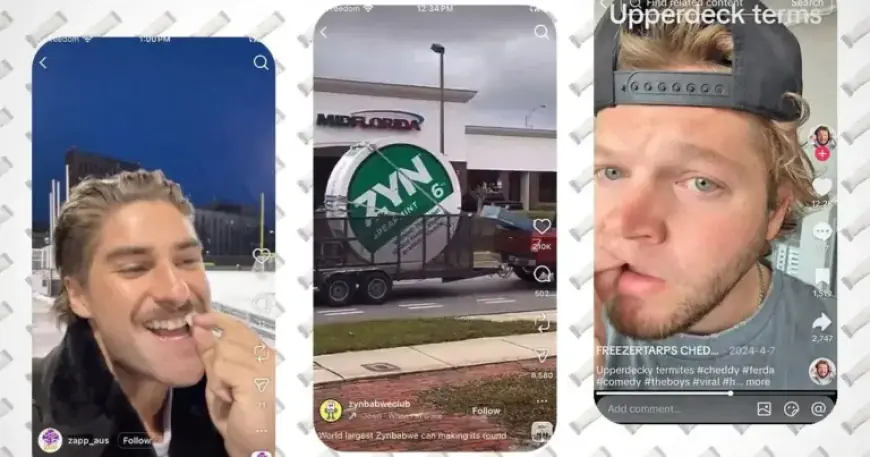
The debate over whether corner stores should sell nicotine pouches has intensified, especially as their popularity skyrockets among youth. In 2024, reported use among Canadian teens aged 16 to 19 surged more than sixfold since 2022, highlighting a pressing public health concern.
Current Regulations and Market Dynamics
In Canada, nicotine pouches are legally sold only through pharmacies to adults aged 18 and older. Still, a study found significant lapses in adherence to these regulations. Many independent convenience stores are reportedly selling these products without verifying customer age.
- Only two brands, Zonnic and NEÖ, are legally available in Canada.
- Both are limited to 4 mg doses and mint flavors.
- Unauthorized pouches, like Zyn, are widely sold despite not being approved for sale.
Health Canada originally classified nicotine pouches as nicotine replacement therapies in July 2023 but with minimal oversight. This lack of regulation has fueled concerns among health professionals about the potential addiction risks for younger users.
The Impact on Youth
Health experts warn that nicotine pouches may serve as a gateway to further nicotine use, including vaping and smoking. A study indicated that young users are often unaware of the serious health risks associated with nicotine products. Many teens believe their addiction to pouches is harmless compared to traditional smoking.
Statistics on Youth Usage
| Year | Percentage of Teens Using Nicotine Pouches |
|---|---|
| 2022 | ~X% (exact figure not specified) |
| 2024 | Over 6X increase from 2022 |
The Canadian tobacco industry is facing scrutiny for its marketing tactics that seem aimed at younger audiences. Influencers promoting nicotine pouch use portray them as lifestyle enhancements, giving rise to the term “Zynfluencers.” This marketing approach echoes past strategies used for traditional cigarettes, which emphasized productivity benefits.
Retailers Demand Legal Sales
Some convenience stores argue that if they can sell age-restricted products like tobacco and alcohol, they should also be allowed to sell nicotine pouches. These store owners are struggling with dwindling revenues, particularly since nicotine pouches are now seeing significant illegal sales that evade regulatory oversight.
Concerns remain about convenience stores’ reliability as vendors for health products. Critics argue that many of these stores currently sell illegal pouches, raising questions about whether they should be granted legal sales rights.
Expert Opinions and Recommendations
Experts like David Hammond caution against allowing convenience stores to sell nicotine pouches, pointing out that pharmacies provide professional health advice that can aid in smoking cessation. Research indicates that individuals who consult pharmacists are more likely to quit smoking than those who do not.
Government and Public Health Response
The Canadian government has acknowledged the risk nicotine pouches pose to youth and is committed to robustly regulating them while ensuring that adults can access cessation products. Efforts continue to combat illicit sales by collaborating with law enforcement.
The debate surrounding the sale of nicotine pouches in corner stores reflects broader issues regarding public health, the influence of marketing on youth, and the challenge of regulating new nicotine products effectively. More stringent policies may be necessary to ensure these products are used safely and responsibly among the adult population.