























Von der Leyen Defends Strategy Amid Energy Crisis Criticism

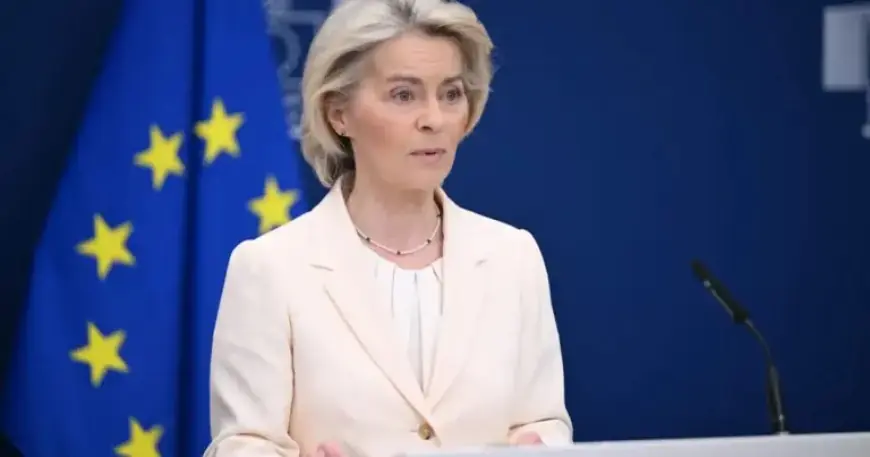
In a recent meeting, European Union leaders expressed their concerns regarding the ongoing energy crisis, urging the Commission to propose effective solutions. This dialogue took place during a leaders’ retreat in Belgium, highlighting the urgency of addressing rising energy prices.
EU Leadership and Energy Strategy
EU officials noted that the focus was on finding strategies to manage the escalating energy prices influenced by global events. As outlined in an internal document prepared by Energy Commissioner Dan Jørgensen and EU competition chief Teresa Ribera, the current turmoil in the Middle East, particularly events concerning Iran, has significantly impacted energy markets.
Impact of Global Events on Energy Prices
- The Strait of Hormuz disruption has led to increased volatility in global energy prices.
- Both oil and gas prices surged following military strikes in the Middle East.
Despite these challenges, the Commission maintains its strategy, which emphasizes a transition to green energy. However, officials acknowledge that this shift may not be sufficient in addressing immediate financial concerns.
Proposed Actions to Address the Crisis
EU representatives have suggested exploring a “bridge solution” to alleviate current energy costs while ensuring a gradual movement towards sustainable energy practices. This initiative aims to empower national governments to utilize existing EU regulations to help reduce energy bills for consumers.
Securing Energy Supply
Officials assert that the Commission has already implemented measures to enhance energy security. This includes diversifying energy partnerships and reducing reliance on unpredictable suppliers, particularly in light of tensions with Russia.
Moving Forward Amidst Criticism
As the situation evolves, the EU leadership remains committed to addressing the energy crisis. The emphasis is on adapting strategies that respond to both short-term pressures and long-term sustainability goals. Key discussions and proposals are expected to be presented at the next European Council meeting, making it crucial for the Commission to demonstrate its responsiveness to member states’ concerns.