
























Canada Welcomes Chinese EVs, Yet Immediate Price Drops Unlikely

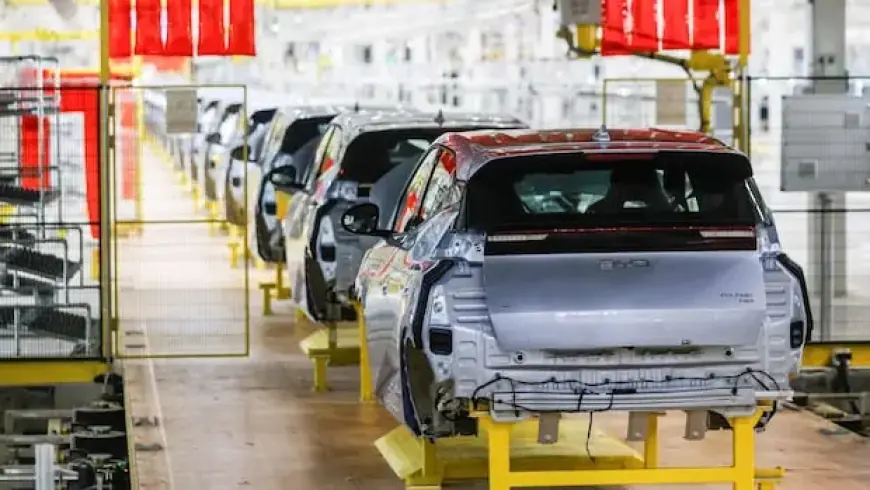
The Canadian auto market officially opened its doors to Chinese electric vehicles (EVs) on March 1. However, it will take time before brands like BYD or Chery become commonplace on Canadian roads. Industry experts indicate that more internationally recognized brands will likely debut in Canada first.
Current Market Dynamics
Peter Frise, a mechanical and automotive engineering professor at the University of Windsor, noted that established brands such as Tesla, Volvo, and Polestar are better positioned to enter the market quickly. New, low-cost Chinese brands will face a longer regulatory approval timeline.
Chinese EV manufacturers, offering competitive prices due to lower production costs and government subsidies, are eager to export. Frise explained that companies like BYD and Geely can produce around 40 million cars annually, yet they only sell approximately 20,000 to 25,000 in their domestic market. This overcapacity necessitates exports to sustain operations.
Import Limits and Tariff Rates
- The Canadian government has set an initial quota of 49,000 Chinese EVs.
- A tariff rate of 6.1% applies to these imports.
- This quota is a shift from a previous 100% tariff on all Chinese EVs enacted in 2024.
According to Frise, the strategic decisions regarding which models to export will be essential. Companies will likely favor exporting higher-priced model variants that yield larger profits.
Expected Arrivals
Automotive analyst Addisu Lashitew from McMaster University reported that mainstream brands like Tesla, Polestar, and Volvo could arrive as early as this month or the next. In contrast, the approval process for newer Chinese manufacturers may require additional time.
Lashitew also highlighted the potential for the Canadian government to expedite approvals. Doing so could alleviate reciprocal delays from China concerning other trade matters, such as canola market access. Most expected imports between March and August will likely include existing models from established brands.
Approval Process for Imported Vehicles
Transport Canada stipulates that all EVs manufactured in China must comply with the Motor Vehicle Safety Act and relevant Canadian safety standards. Automakers can begin the registration process through the Appendix G Pre-clearance Program once they meet compliance.
- Assessment involves checking components such as lighting, brakes, and windshield wipers.
- The testing could extend from a few weeks to several months.
As of now, BYD is the only Chinese EV company with clearance. This status stems from previous applications aimed at selling other electric vehicles, such as taxis and buses, in Canada. It remains uncertain how this will impact future imports.
While Transport Canada has been contacted regarding the timelines for vehicle approvals, responses were not forthcoming before the deadline. Similarly, outreach efforts to Chinese manufacturers like Chery and Xiaomi yielded no replies. Polestar acknowledged ongoing evaluations concerning these developments, while Tesla did not respond to inquiries.