

























US Sinks Iranian Warship Without Rescuing Survivors: Is This War Act Legal?

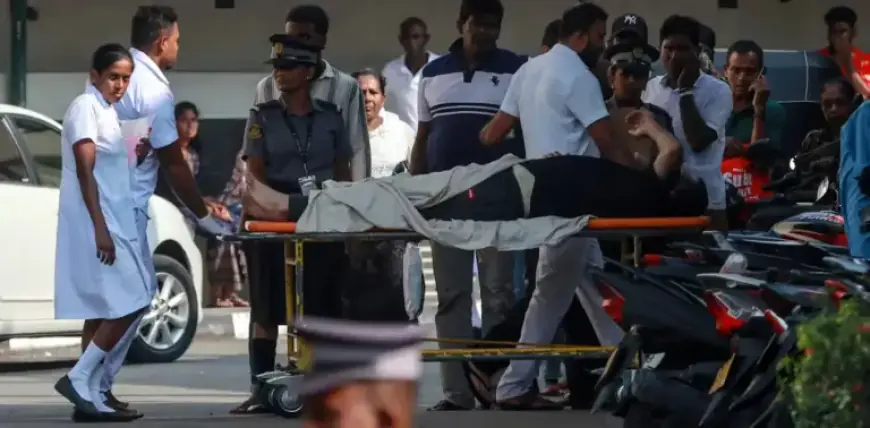
Recent reports indicate that the United States submarine successfully torpedoed and sank the Iranian warship IRIS Dena approximately 40 nautical miles off the coast of Sri Lanka. This incident has raised questions about the legality of such actions outside traditional conflict zones and in vital maritime routes connecting different regions.
US Sinks Iranian Warship: Is This Act Legal?
The operation against the IRIS Dena highlights the complexities of naval warfare law. This particular law governs engagement rules at sea, providing protections and obligations for combatants, civilians, and neutral parties involved in maritime conflicts.
The Law of Naval Warfare
The law of naval warfare is essential in understanding military engagements at sea. Regardless of the overall legality of a conflict, these laws dictate conduct during naval operations.
- Warships are considered military objectives under international law.
- Attacks on enemy warships are lawful outside territorial waters.
- The law of naval warfare takes precedence over the United Nations Convention on the Law of the Sea.
In this case, the IRIS Dena was reportedly operating outside Sri Lankan territorial waters, confirming its status as a lawful military target. If the vessel had been within 12 nautical miles of Sri Lanka’s coast, the attack would not have been considered lawful.
Rescue Obligations After Engagements
Legal frameworks also specify obligations regarding survivor rescue following naval engagements. The Second Geneva Convention mandates that parties to a conflict must take every possible measure to assist the wounded, sick, and shipwrecked.
In practice, submarines may encounter difficulties in adhering to these obligations due to operational constraints. For instance, surfacing to rescue survivors may expose them to additional risks, and submarines often lack the capacity to accommodate many survivors.
- Submarines can report survivors’ locations to nearby vessels or authorities as an alternative to direct rescue.
- Sri Lankan naval forces managed to rescue 32 crew members from the IRIS Dena after the sinking.
- 87 bodies of Iranian sailors were also recovered following the incident.
The swift response of Sri Lankan authorities indicates timely communication about the incident, likely from the United States Navy, which may have relayed the survivors’ locations.
Conclusion
While the broader questions about the United States’ involvement in the conflict with Iran persist, the legal principles surrounding the engagement with the IRIS Dena affirm its designation as a lawful military target. Moreover, efforts to assist survivors align with international legal obligations, highlighting the intricate balance involved in naval warfare scenarios.