
























U.S. Customs Develops System to Refund Tariffs: NPR Report

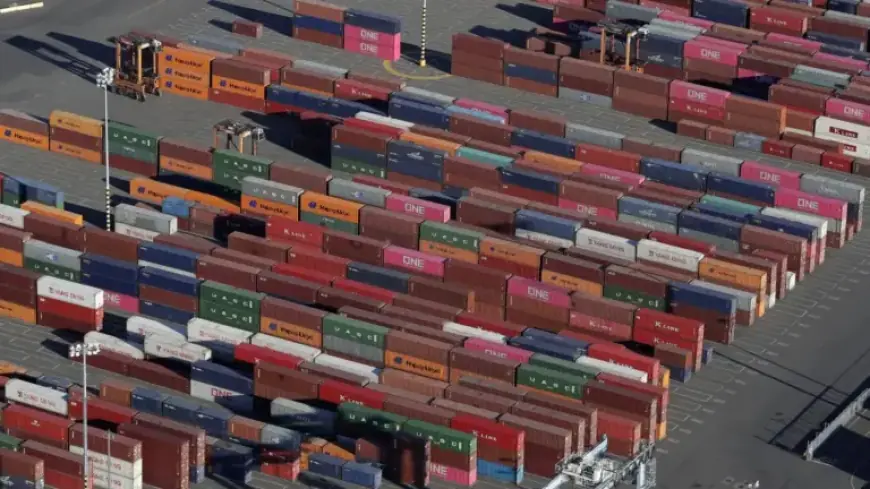
U.S. Customs and Border Protection (CBP) is in the process of developing a new system to expedite tariff refunds. This initiative comes in light of the Supreme Court’s recent decision declaring many of former President Trump’s tariffs unconstitutional. CBP aims to implement this system within the next 45 days to facilitate refunds to affected importers.
Details of the Refund System
Following the Supreme Court ruling, businesses that paid these tariffs have been eager for clarity on the refund process. Concerns among small business owners have grown, particularly regarding the potential need to pursue individual lawsuits to reclaim funds. Legal experts have suggested this could lead to prolonged litigation, adding to business uncertainties.
Government’s Response
- CBP officials stated their current computer systems are not equipped to handle the anticipated volume of refund requests immediately.
- The agency is developing a streamlined process that will utilize an existing electronic portal frequented by importers for customs filings.
- Approximately $166 billion was collected in tariffs affecting over 330,000 businesses, now deemed unconstitutional by the Supreme Court.
Judicial Mandate
Judge Richard Eaton of the Court of International Trade emphasized that all tariffs collected unlawfully must be refunded to importers. In a ruling, he mandated that CBP commence the refund process immediately and with interest. An update on this initiative was also requested from the agency.
Legal Context and Implications
Earlier this week, an appeals court denied a request from the Justice Department to delay the refund process for an additional 90 days. During ongoing legal proceedings, the Justice Department assured the courts that refunds would be processed if the tariffs were overturned. This allowed the government to continue tariff collections even after a lower court had labeled them illegal last May.
According to Sara Albrecht, head of the Liberty Justice Center, who represented the case at the Supreme Court, the government’s earlier assurances about refunding the tariffs, including interest, leave little room for them to contest the payment obligations.