
























Maggie Gyllenhaal and Jessie Buckley Revitalize Frankenstein’s Bride

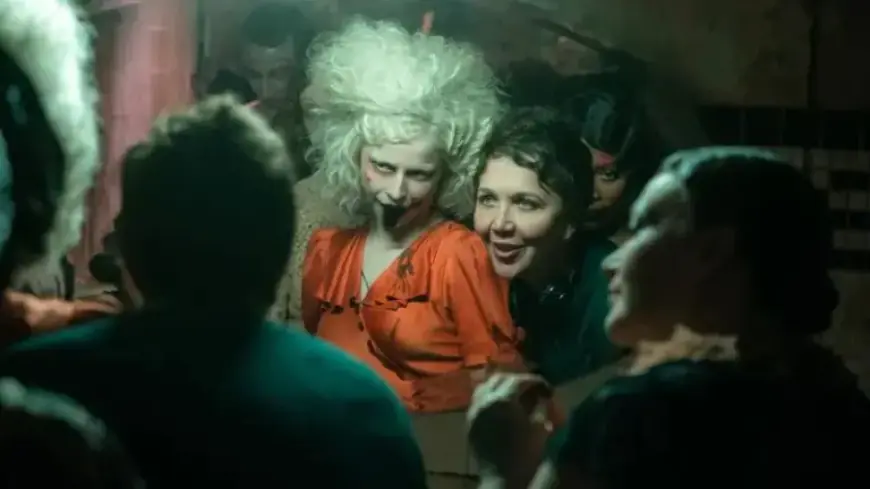
Mary Shelley’s classic novel “Frankenstein,” published in the 19th century, has influenced numerous film adaptations. While many directors have interpreted this gothic tale, most have been men. This trend changes with Maggie Gyllenhaal stepping into the director’s chair for her film “The Bride!”, featuring actress Jessie Buckley.
Maggie Gyllenhaal’s Vision for “The Bride!”
Gyllenhaal’s film serves as a reimagining of the 1935 classic “The Bride of Frankenstein,” directed by James Whale. The original film, known for its haunting portrayal of the bride, starred Elsa Lanchester and became iconic for its horror elements. Gyllenhaal seeks to explore the story from a fresh perspective, focusing on the unvoiced experiences of the female character.
A New Female Perspective
“The Bride!” provides an opportunity to address the gender disparities present in previous adaptations. Despite the novel being penned by a woman, the cinematic interpretations have predominantly been male-driven. Scholars suggest that this gender imbalance has overlooked the narrative depth concerning female experiences in the story.
- Gyllenhaal draws inspiration from the source material’s themes, particularly the creature’s search for companionship.
- Previous male directors often highlighted themes of ambition and hubris, sidelining the female perspective.
- The film aims to restore the voice of the bride, exploring her feelings and thoughts.
Gender Dynamics in Adaptations
Experts suggest that the lack of female creators in the horror genre contributes to this trend. Dr. Jo Botting from the BFI National Archive notes that historically, few women directed films, limiting diversity in storytelling. Scholars like Daniel Cook highlight an inherent male fascination with themes of creation and failure, as depicted in the novel.
Exploring Themes of Loss and Vulnerability
New interpretations of “Frankenstein” reflect evolving awareness of its themes. Eleanor B. Johnson, a Columbia University professor, argues that the story embodies a meditation on reproductive loss. Understanding Shelley’s personal experiences with loss enriches the narrative, emphasizing vulnerability that has often been eclipsed in film.
Gyllenhaal’s approach could mark a significant shift. By bringing attention to the bride’s character, she aims to provide insight into the emotional and psychological aspects of the story. The film seeks to answer the question: what happens when the bride has a voice?
Looking Ahead
The release of “The Bride!” invites audiences to reconsider Mary Shelley’s work through a contemporary lens. It challenges the established narratives and raises awareness of the need for diverse perspectives in filmmaking. As Gyllenhaal revitalizes a classic tale, she opens up new dialogues about gender and storytelling in cinema.
The film stands as a testament to the evolving landscape of adaptation in Hollywood, where female voices begin to redefine historical narratives.