























F1 Teams Plan Major 2026 Strategy Overhaul

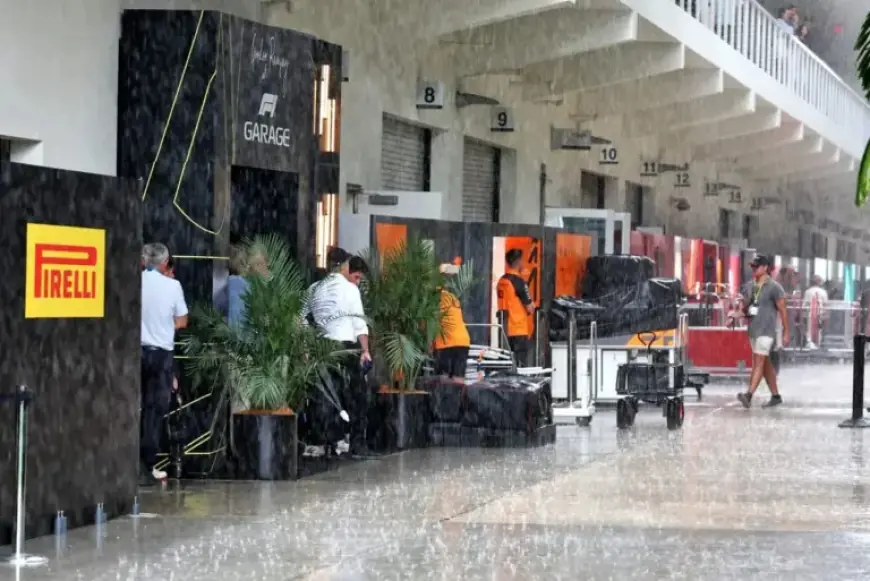
Formula 1 is gearing up for a significant strategy overhaul ahead of the 2026 season, prompted by advancements in technology and evolving industry needs. One of the most notable changes involves the integration of Artificial Intelligence (AI) into race day operations and weather forecasting, a development that promises to enhance team performance and decision-making. This article explores the implications of these changes for F1 teams and the broader motorsport community.
AI Revolutionizes Weather Forecasting in Formula 1
The partnership between the FIA and Tomorrow.io marks a pivotal moment for F1 teams. This collaboration leverages AI technology to deliver more accurate and localized weather predictions. Traditional weather modeling has relied heavily on complex physics principles, making it less reliable compared to today’s capabilities.
Real-Time Data Access for Teams
- Tomorrow.io’s satellite-supported model offers real-time weather data.
- Teams will have bespoke portals for tailored weather updates.
- Rapid data processing enhances decision-making on race strategy.
According to Itai Zlotnik, co-founder of Tomorrow.io, AI significantly accelerates data processing capabilities. Historical data analysis now takes mere weeks rather than years, resulting in improved forecasting accuracy. This innovation enables F1 teams to better prepare for variable weather conditions during races.
Enhanced Decision-Making for the FIA
The FIA benefits from this partnership by gaining a more comprehensive view of weather conditions that can impact race schedules. Race control can utilize accurate forecasts to optimize session timings, making informed decisions to postpone or alter events based on predicted weather changes.
Looking Forward: Long-Term Scheduling
With the introduction of AI-driven weather models, racing schedules can adapt to changing environmental factors. Chris Bentley, the FIA’s head of information systems strategy, emphasized the importance of reliable data in long-term planning, particularly in response to climate change. This flexibility aids in determining the safest times to hold races, especially in regions prone to severe weather.
Why AI Models Are a Game Changer
The combination of satellite data and AI processing offers F1 a transformative upgrade. Unlike earlier weather systems that focused on regional data, Tomorrow.io provides a global view, enhancing forecasting precision significantly. The integration of oceanic data is crucial, as understanding maritime weather greatly influences terrestrial forecasts.
A Collaborative Approach
The partnership encourages a dynamic feedback loop where historical weather data from the FIA enriches Tomorrow.io’s predictive models. This collaboration enables more precise predictions tailored to the specific challenges of each F1 circuit, addressing factors like track conditions and water retention.
Challenges Ahead
Despite these advancements, it’s essential to recognize that weather modeling is inherently uncertain. Predictions can be complex, and as Zlotnik noted, there remains a level of humility needed when forecasting natural phenomena. F1 teams must remain adaptable, ready to adjust their strategies as weather conditions evolve.
As the 2026 season approaches, the F1 community looks forward to the changes these technological advancements will bring. By embracing these innovations, teams and race control can enhance their operational efficiencies and ultimately improve the spectator experience.