























Draft Order 2026: Lions-Texans RB Swap Immediately Shifts Roles, Room Dynamics and Roster Priorities

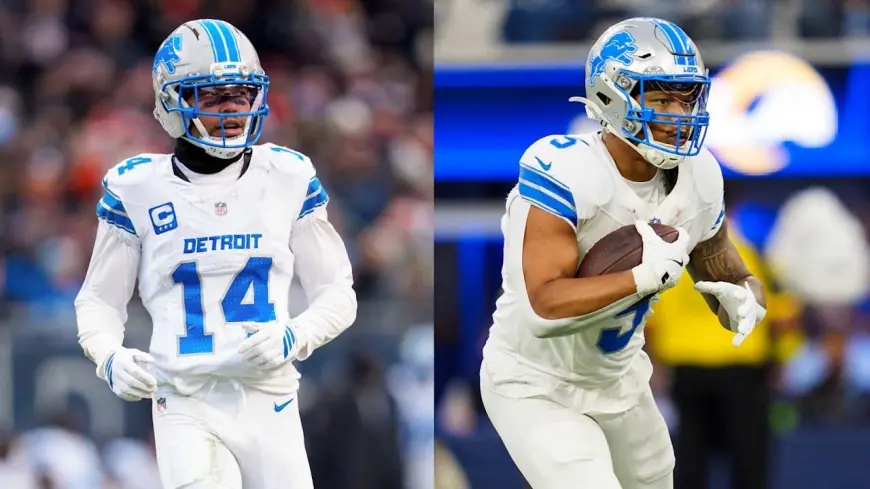
The trade that sent David Montgomery to Houston matters most for people inside the locker rooms and the two teams’ short-term plans — and it also nudges draft order 2026 planning for Detroit. For the Lions, moving Montgomery yielded a 2026 fourth-round pick, a future seventh-rounder and offensive lineman Juice Scruggs, while the Texans add a back expected to be their primary ballcarrier. Teammates, roster pecking orders and salary-room decisions are the immediate casualties and opportunities.
Draft Order 2026 — who feels the impact first
There are immediate human and tactical consequences: a prominent receiver expressed clear disappointment about losing a close teammate; a younger starter’s role becomes clearer in Detroit; and Houston gains a veteran who will step into a lead role. The transaction changes how playing time is allocated and how each front office will use the incoming draft asset tied to draft order 2026 planning.
Trade particulars and immediate roster effects
What happened in plain terms: Detroit sent running back David Montgomery to Houston and received offensive lineman Juice Scruggs plus a 2026 fourth-round pick and a 2027 seventh-round pick. In Houston, Montgomery is expected to enter the next season as the team’s No. 1 running back. In Detroit, the move follows a season in which Montgomery’s touches were reduced while sharing the backfield with Jahmyr Gibbs, and it coincides with the Lions releasing an offensive lineman to free cap space.
- Player role: Montgomery will be the primary running back for Houston for the upcoming season.
- Return to Detroit: a 2026 fourth-round pick, a future seventh-round pick and offensive lineman Juice Scruggs.
- Contract note: Montgomery is set to make $5. 49 million this season under the first year of a two-year extension.
Here's the part that matters for fans and roster builders: Detroit turned a veteran backup’s departure into an interior-line addition and a draft asset that will feed their offseason roster construction. Houston swapped for an experienced ballcarrier to address a running-game need and to give clarity around other backs on its roster.
Key takeaways:
- Detroit’s front office signaled urgency to bolster the offensive line by including a lineman in the return and freeing cap space with other roster moves.
- Houston’s backfield is re-centered on a veteran lead runner, which increases pressure on the status of other running backs on the roster.
- Locker-room dynamics shifted immediately: a close teammate expressed strong emotional response to the trade, while a younger starter in Detroit now shoulders more responsibility.
- The 2026 fourth-round pick gives Detroit an explicit asset for draft order 2026 decisions rather than an immediate starter at running back.
Micro timeline embedded:
- Monday: David Montgomery was traded to Houston in exchange for Juice Scruggs and two draft selections.
- Monday: Montgomery posted a message acknowledging Detroit’s influence on his next steps.
- Monday: Detroit released an offensive lineman, creating salary-cap room and signaling internal roster moves.
It’s easy to overlook, but the bigger signal here is the symmetry between roster needs and the specific return: Detroit prioritized line help and a draft asset over retaining a veteran tailback who wanted more carries. The trade maps cleanly onto immediate role clarity — Houston gets a primary running back; Detroit leans toward reshaping its trenches and draft planning.
The real question now is how each team translates this into the offseason: will the Lions use the 2026 fourth-round pick to target a lineman or to package for an earlier selection, and will Houston move on from other running backs to fully commit to Montgomery as its lead? Those answers will determine whether this swap is a short-term fix or a turning point for both rosters.