























Families and Miami football community left unsettled as Bryan Pata murder case ends in mistrial after two decades

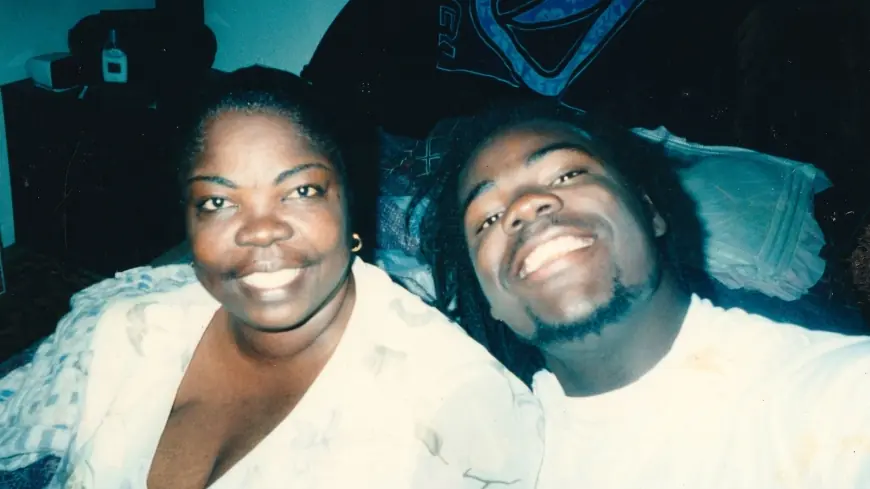
The mistrial in the long-running case over the killing of bryan pata shifts the burden back onto grieving family members, the legal calendar and a close-knit football community that has pursued answers for nearly 20 years. With jurors deadlocked and a new trial scheduled for May 18, the immediate impact lands on relatives seeking finality, a defendant who remains detained, and a prosecutorial team preparing to re-present a case that has already weathered renewed attention.
Bryan Pata’s circle — who feels the reverberation first
For family and former teammates, the mistrial reopens an emotional wound rather than resolving it. The deadlock means more court dates, renewed witness preparation, and additional months—possibly years—before any permanent resolution. The defendant remains in custody after being arrested in 2021 and is unlikely to make the reduced bond now set by the court, which lowers immediate prospects for release while the calendar resets.
What's easy to miss is how procedural moves—like bond adjustments and retrial scheduling—translate into daily realities: continued detention for the accused, renewed legal expenses, and another cycle of testimony for people who have already revisited the same trauma in public settings.
Case developments and evidence threads (concise, embedded)
The jury declared a mistrial after failing to reach a unanimous verdict; only one juror reportedly supported conviction while the remainder found the evidence insufficient to meet the burden of proof. A judge set a new trial date for May 18 and reduced bail from $850, 000 to $500, 000. The defendant has declined an earlier plea offer that would have carried a 15-year term with credit for time served and again refused a plea at the most recent hearing.
Key factual points repeated in the courtroom record: the victim was shot after returning from football practice on Nov. 7, 2006. Investigators later pursued a former teammate who had left the team meeting the night of the killing and who was arrested in 2021 on second-degree murder charges. Prosecutors cited cell phone records and an alleged eyewitness as central pieces of evidence. Defense counsel focused on weaknesses in that eyewitness identification—pointing to low light, uncertainty about eyewear at the time, and an identification that occurred months after the event.
The defendant has maintained innocence while detained since the arrest. Public interest in the case intensified after an in-depth sports investigation years into the cold period of inactivity, and that renewed attention coincided with a more aggressive prosecutorial posture that led to the 2021 arrest.
- Nov. 7, 2006 — The football player was shot after returning home from practice.
- 2021 — A former teammate was arrested on second-degree murder charges and detained.
- Recent court session — Jurors deadlocked, judge declared a mistrial; retrial set for May 18 and bail reduced.
Here’s the part that matters: the case moves forward rather than closing, so the legal and emotional toll extends for everyone involved while prosecutors rebuild their presentation and the defense continues to challenge identification and the sufficiency of evidence.
- Only one juror favored conviction in the prior trial; the rest concluded reasonable doubt remained.
- Bail was reduced to $500, 000, but the defendant cannot make bond and is expected to remain detained until the retrial.
- The state relied on cell phone records and an eyewitness; the defense highlighted problems with that witness’s identification.
- An earlier investigative article helped revive attention to the case and prompted renewed prosecutorial action.
The real question now is how prosecutors will respond to the jury’s concerns and whether additional or stronger evidence will be introduced in May. The courtroom calendar and the lives tied to it will dictate the next visible shifts: fresh motions, new witness preparation, and an intensified pretrial period.
Key takeaways: this mistrial does not erase the original charges, it pauses a verdict and amplifies uncertainty for the victim's family and the accused alike; the retrial date provides a deadline that will concentrate effort on evidence gaps identified by jurors; and the adjustments to bond and plea negotiations are practical signals of how the case will proceed in the near term.