






















Kamala Harris Frames U.S. Strikes as Immediate Risk for Troops and Voters — Democrats Push Back

The immediate impact landed first on the people closest to the action: American service members and politically engaged voters. kamala harris argued that recent U. S. military strikes amount to a dangerous, unauthorized escalation that places troops at risk and drags the country into a conflict many do not support. That stance is now lining up with other prominent Democrats who called the strikes unnecessary and unlawful.
Kamala Harris’s warning and who feels it most
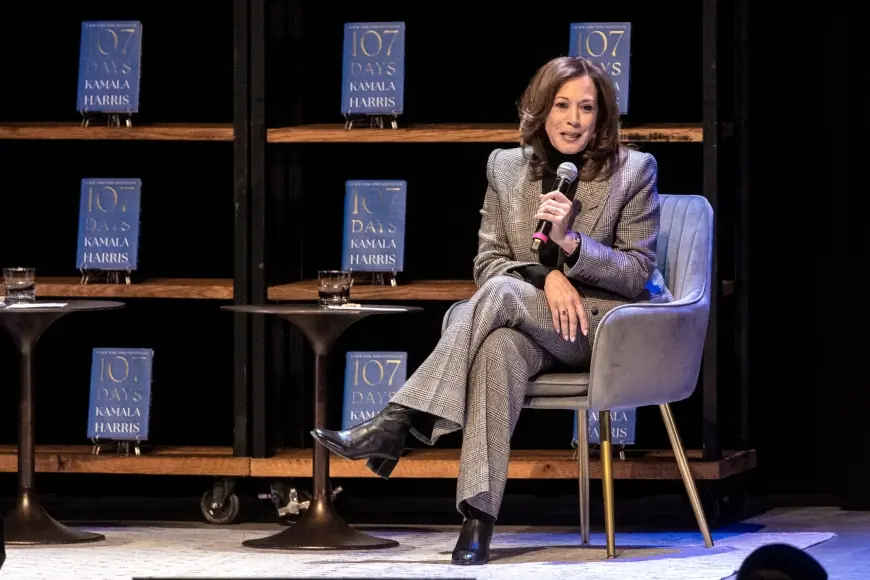
Harris said the strikes represent a regime-change approach that puts "our troops" in harm’s way and characterized the U. S. action as dragging the nation into a war Americans do not want. Her remarks came during a public appearance the day after strikes were launched, and she used the platform to criticize the decision-making behind the operation. kamala harris also pointed to reports suggesting U. S. military casualties, though those casualty numbers remain a developing detail and may evolve as more information emerges.
Here’s the part that matters for everyday readers: elected figures framing the operation as unauthorized shifts the conversation from battlefield tactics to constitutional and political accountability — and that affects where public energy and votes are likely to flow.
- Several high-profile Democrats publicly opposed the strikes, with comments emphasizing the risk to American lives and questioning legality.
- At a book event, Harris confronted audience disruptions tied to broader foreign-policy controversies, signaling domestic political friction.
- Other Democratic figures used campaign events and statements to condemn the strikes as unnecessary or manufactured, reflecting party-wide unease among potential presidential hopefuls.
Event details and the broader reaction (embedded)
The sequence in public remarks and appearances shows a near-term political ripple: strikes were launched, then Democratic figures at campaign and book-tour events responded forcefully. Harris spoke at a ticketed theater event the day after the strikes and faced interruptions from audience members protesting past policy positions; security removed at least two people during that event. The moderator used a light diversion to regain control and the conversation shifted back to activism and strategy.
Beyond Harris, other Democrats described the strikes as unlawful, reckless, or manufactured, arguing they jeopardize regional stability and American credibility. One prominent governor framed the action as manufactured crisis and questioned the endgame; a leading progressive lawmaker said the American people were being dragged into a conflict they did not support. These aligned critiques underline how domestic political opposition formed quickly after the operation.
It’s easy to overlook, but this clustering of dissent among potential presidential figures signals early positioning: opposition here is both a policy disagreement and a way to define leadership contrast ahead of future contests.
Key takeaways:
- Immediate human impact is being emphasized by critics: service members and families are portrayed as the first to feel consequences.
- Many Democratic figures, including those discussed as possible future candidates, have framed the strikes as unnecessary or unlawful.
- Public events and book stops became venues for political pushback, with protests and audience disruption illustrating domestic fallout.
- Casualty figures referenced in remarks remain a developing detail and may change as more information becomes available.
Micro-timeline (compact):
- Strikes were launched against Iran.
- The following day, Harris appeared on a book tour stop and addressed the strikes publicly.
- Other Democratic figures made critical public statements in the same short window.
The real question now is how this cluster of criticism affects both policy oversight and political dynamics in the months ahead. If congressional or legal challenges arise, or if casualty details are confirmed, those developments will change the story’s trajectory.
What’s easy to miss is that public events meant for promotion and outreach are doubling as rapid-response platforms for foreign-policy debate — which compresses campaigning and national security into the same news cycle.