
























One Year Post-HBC Collapse: Revitalized Spaces Amid Surplus Vacant Stores

As we mark one year since the collapse of Hudson’s Bay Company (HBC), the retail landscape has undergone significant changes in Canada. The once-thriving department store chain filed for creditor protection on March 7, 2025, burdened by a staggering $1.1 billion in debt. This led to the closure of 80 stores and impacted 16 more from its sister brand, Saks.
Revitalization Amidst Vacancy
A recent analysis highlights that the majority of HBC’s former retail spaces remain vacant. Specifically, at least 73 locations, once bustling with shoppers, are still empty. However, some areas are beginning to flourish thanks to new tenants taking advantage of the shifting retail landscape.
Transforming Retail Spaces
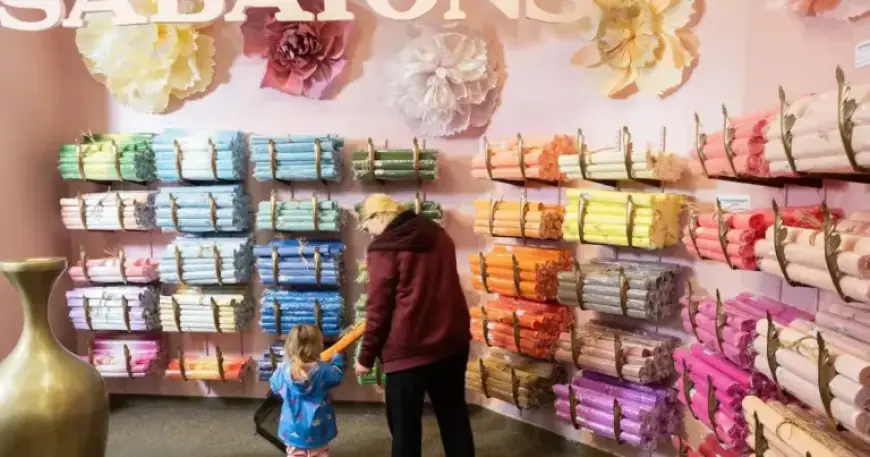
The Bay Centre in Victoria, B.C., has seen a reinvigoration thanks to the arrival of Sabayons, a new department store spearheaded by Ryan Townsend. This establishment has brought a whimsical holiday theme to the mall, including animatronic displays and a festive atmosphere.
- The former HBC locations have become available to emerging brands and unique concepts.
- YM Inc. has taken over 14 locations, introducing brands like Urban Behaviour and Urban Planet.
- Discount clothing stores and Zellers have also occupied former HBC spaces.
In Edmonton, a portion of the ex-HBC site at Londonderry Mall has been revitalized by a Zellers reboot. Meanwhile, Toronto’s Queensway is now home to a Goodwill, which replaced Saks Off Fifth.
Challenges in Repurposing
The repositioning of these large retail spaces poses its own set of challenges. Landlords are grappling with how to attract tenants to properties that traditionally housed only department stores. Don Gregor, an executive at Aurora Retail Group, emphasized the complexity of adapting these vast spaces for new uses.
HBC’s stores were known for their significant square footage, averaging 152,000 square feet compared to the average Canadian mall lease of around 3,700 square feet. This disparity complicates the search for suitable tenants willing to occupy such large areas.
The Path Forward
Real estate firm JLL predicts that within two years, approximately 65% of HBC’s vacant retail space will find new tenants. However, many locations will require multiple businesses to fill the space, and around 22% may undergo redevelopment into residential or office properties.
- In Montreal, plans are underway to transform the former HBC site on Ste-Catherine Street into a fur trade museum and cultural center.
- Some innovative ventures aim to turn these shopping spaces into community hubs.
As the future unfolds, Ryan Townsend remains optimistic about the success of Sabayons in revitalizing its location. His store has quickly become popular and demonstrates the potential for reimagining retail spaces in response to evolving consumer demands.
Despite the challenges posed by HBC’s downfall, it has also opened up avenues for new businesses to flourish, contributing to a new era in Canada’s retail environment.