

























Qatar Minister Warns Gulf Energy Exports May Cease in Weeks Due to War

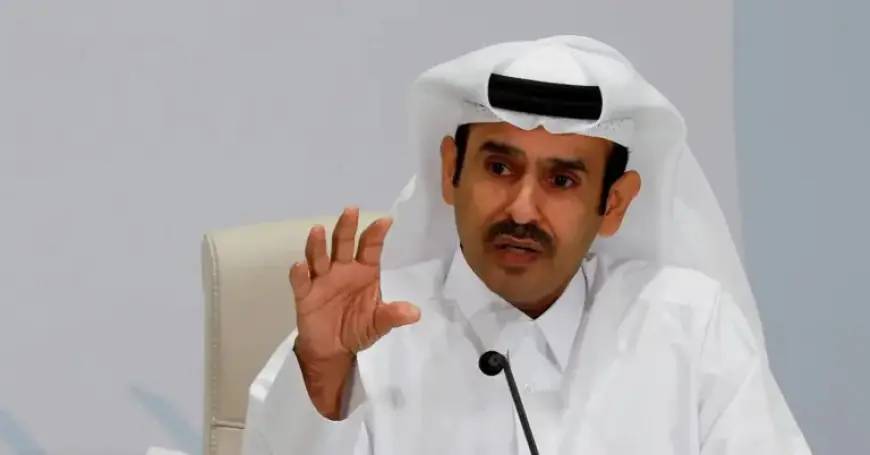
Qatar’s Energy Minister, Saad al-Kaabi, has issued a grave warning regarding the potential cessation of Gulf energy exports. If the ongoing conflict involving Iran continues to escalate, exports may halt within weeks.
Impact of Iran Conflict on Gulf Energy Exports
In an interview published by the Financial Times, Kaabi highlighted that rising oil prices, potentially reaching $150 per barrel, could compel all Gulf energy producers to declare force majeure. This measure allows them to suspend contracts due to extraordinary circumstances.
Current Production Status
- Qatar has already suspended its liquefied natural gas (LNG) production.
- This production accounts for approximately 20% of the global LNG supply.
- The interruption significantly affects both Asian and European markets reliant on this energy source.
Kaabi stated, “All exporters in the Gulf region will have to call force majeure,” if the conflict persists. He further cautioned that if the war continues, the global economy would face serious repercussions, including heightened energy prices and product shortages.
Global Economic Consequences
Interruptions in energy supply can lead to widespread shortages. Kaabi emphasized that even a brief conflict would require weeks or months for Qatar to restore normal delivery schedules.
- In the event of a prolonged conflict, the impact on GDP growth worldwide would be pronounced.
- Energy prices, including gas, could surge—potentially reaching $40 per million British thermal units.
Future Production Plans at Risk
QatarEnergy, which Kaabi leads, may face delays in its North Field expansion project. Originally scheduled to commence in mid-2026, any disruptions could significantly postpone production timelines.
Kaabi noted that a longer conflict could radically change growth forecasts and production plans. He estimated that if conditions worsen, crude oil prices may hit the alarming mark of $150 per barrel within two to three weeks, depending on the security of vital shipping routes.
Conclusion
As the situation in the region evolves, the implications for Gulf energy exports and the global economy remain uncertain. The potential for increased prices and supply chain disruptions looms large, posing challenges for energy consumers worldwide.