





















Noah Wyle, Chappell Roan, and the Surge of Toxic Fandoms

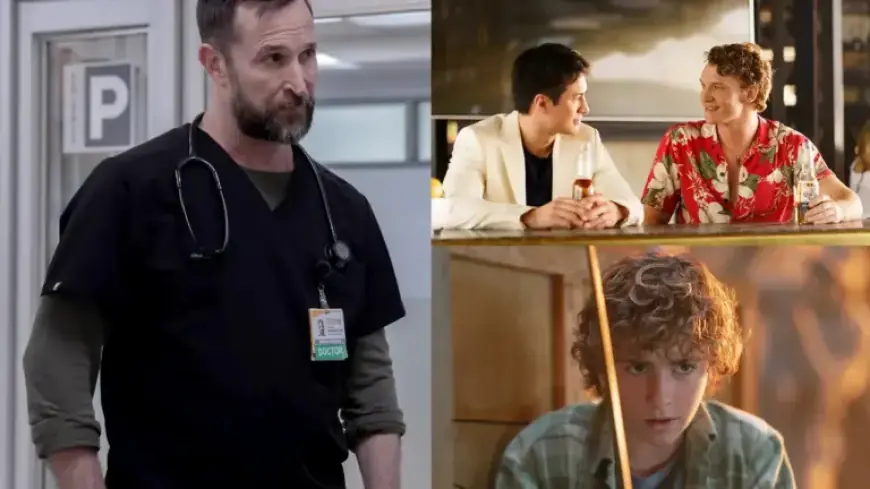
The season-two finale of The Pitt left the show’s lead emotionally frayed. Noah Wyle’s character, Dr. Robby, admitted the job has drained him. He confided in Dr. Abbot, played by Shawn Hatosy, about the weight of repeated losses and the creeping despair behind his actions.
Character toll laid bare in the finale
The episode explained why Dr. Robby seemed off all season. The performance framed long-term exposure to death as corrosive to a caregiver’s sense of self. Wyle’s role anchors the series he also created.
From acclaim to backlash
The Pitt is an Emmy-winning HBO Max series. Despite accolades, a segment of former fans now labels it “awful.” Some have singled out Noah Wyle as responsible for the show’s perceived shortcomings.
This reversal is not isolated. It is part of a wider cultural trend that commentators describe as the Surge of Toxic Fandoms. Longstanding fan enthusiasm has, for many properties, curdled into online hostility.
How parasocial ties harden into aggression
Music fandoms offer a clear precedent. The term “Stans” entered popular use to describe obsessive devotees. Groups like the Swifties and the Barbz have been linked to intense online policing and occasional harassment.
Pop and indie performers alike—including emerging names such as Chappell Roan—now navigate an environment where fan intensity can turn threatening. Social platforms and gossip handles amplify those dynamics and make sustained scrutiny profitable.
When fiction and reality blur
Producers and networks have begun asking audiences to curb abusive behavior. Shows spanning genres have issued pleas for civility. Reality series such as The Traitors and scripted projects like The Summer I Turned Pretty posted messages urging fans to separate characters from real people.
The Summer I Turned Pretty’s official TikTok underscored that the show’s plots are fictional while reminding followers the actors are real. Creators have framed such posts as efforts to protect cast members from personal attacks.
Real-world consequences for young actors
The problem recently affected a teenage cast member from the Percy Jackson franchise. Seventeen-year-old Walker Scobell wrote on Instagram that he cannot attend prom. He said online threats to girls associated with him made attending unsafe.
Scobell’s post asked followers to stop sending death threats and to consider the harm their messages cause to teenagers and families. The message underscored how online fervor can produce tangible danger.
What industry voices are saying
Network statements and cast pleas aim to reassert basic boundaries. They also reflect growing frustration with harassment across platforms. Creators and performers increasingly request respect for personal safety and privacy.
The conversation now spans entertainment sectors. From television to music, the Surge of Toxic Fandoms has prompted calls for more responsible fan behavior. The industry hopes fans will remember that human beings, not just characters or brands, are on the receiving end.