

























12 Key Rule Changes for 2026: Cars, Budgets, and More

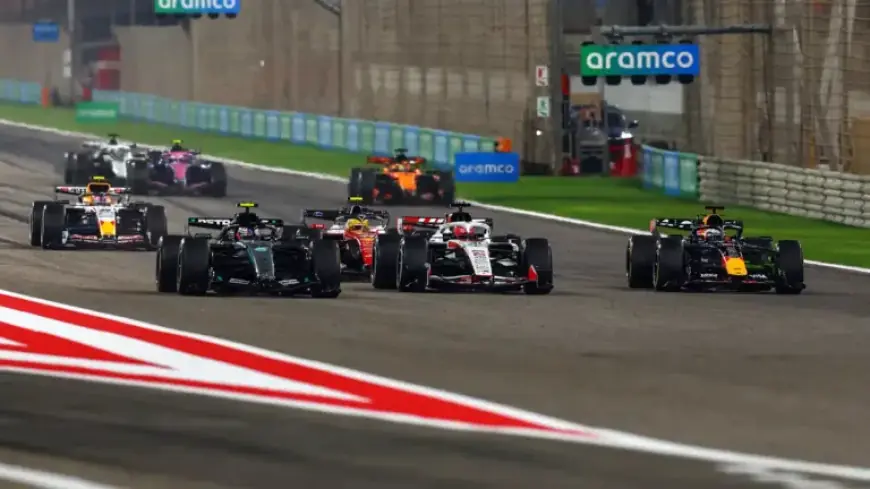
As the world of Formula 1 gears up for the 2026 season, significant changes are set to transform both the cars and the regulations governing the sport. These adjustments aim to enhance performance, safety, and sustainability, making the upcoming season one of the most anticipated yet.
Key Rule Changes for 2026
Car Dimensions and Design
- The 2026 cars will feature a shorter wheelbase, reduced by 200 mm to a total of 3400 mm.
- The cars will be narrower, with the floor width decreased by 100 mm.
- Front tires are now 25 mm narrower, while rear tires have been reduced in width by 30 mm.
These changes are expected to make cars more agile on the track while impacting grip due to smaller contact patches.
Weight Regulations
- The minimum weight limit for cars will decrease from 800 kg to 768 kg.
- This reduction stems from the removal of the MGU-H component and overall size adjustments.
Drivers have noted improved handling due to the lighter vehicle weight, even with new aerodynamic restrictions.
Aerodynamics Overhaul
- The Venturi tunnels have been eliminated, leading to changes in performance through ground effect.
- New regulations simplify the design of front and rear wings, removing wheel covers and adding bargeboards to manage airflow.
These aerodynamic modifications aim to enhance racing dynamics and reduce turbulence between cars.
Innovative Power Units
- Teams will debut Advanced Sustainable Fuels instead of traditional fossil fuels.
- The Internal Combustion Engine’s power output is set at approximately 400 kW.
- The MGU-K will now deliver 350 kW, promoting a 50-50 power distribution between internal combustion and electrical sources.
Overtaking Enhancements
- A new system called Overtake Mode replaces the Drag Reduction System (DRS).
- Drivers can gain an additional 0.5 MJ for sustained speed on long straights.
This mode introduces strategic elements for drivers chasing overtakes during the race.
Advanced Track Zones
- New SM (Straight Mode) boards will mark zones for reduced drag configurations.
- Conditions may vary, including special zones for low grip scenarios.
These markers will guide drivers on where they can maximize vehicle efficiency.
Changes to Starting Procedures and Qualifying
- Drivers will receive a pre-start warning before building revs, improving the launch process.
- With an expanded grid of 22 cars, qualifying will adjust, eliminating six cars in Q1 and Q2.
Increased Budget Cap
- The budget cap has been extended from $135 million to $215 million for teams developing new cars.
- The Power Unit Cost Cap is increased from $95 million to $130 million.
This adjustment allows teams the financial flexibility to adapt to the extensive changes in regulations and car designs.
The 2026 season is shaping up to be a milestone year for Formula 1, with rule changes impacting virtually every aspect of racing. The commitment to sustainability, alongside advancements in technology and design, promises a thrilling and innovative season ahead.