























Bob Harlan, Former Packers President Who Reshaped Franchise and Lambeau Field, Dies at 89

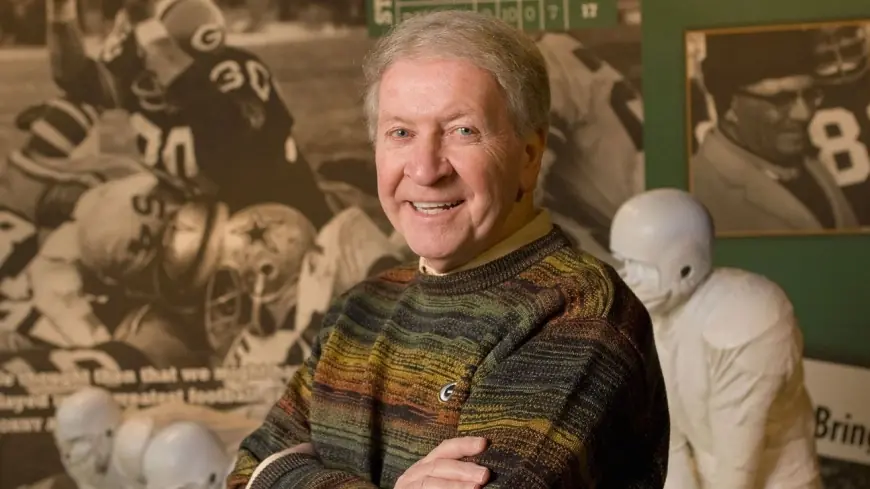
bob harlan, the long-serving Green Bay Packers executive whose tenure included a comprehensive Lambeau Field redevelopment, the franchise's first stock sale in 47 years and pivotal front-office hires that led to championships, died Thursday at age 89. His death closes an 18½-year run as the team’s chief executive and comes after a recent hospitalization for pneumonia.
Bob Harlan's leadership and hires
bob harlan became the Packers’ president and CEO on June 5, 1989, after more than a decade in senior administrative roles with the organization. He served as the club’s top executive until Jan. 28, 2008, and had worked for the Packers for 37 years in total, holding positions beginning as assistant general manager in 1971 and moving through corporate general manager, assistant to the president and executive vice president of administration.
Harlan’s most consequential personnel move came in late November 1991, when he fired Tom Braatz as vice president of football operations and, within a week, hired Ron Wolf as general manager. That decision altered the team’s trajectory: Wolf would bring in Mike Holmgren as head coach, trade for quarterback Brett Favre and sign Reggie White, moves that culminated in a Super Bowl title (Super Bowl XXXI) during Harlan’s tenure. Harlan later hired Ted Thompson as general manager before his retirement; that chain of stewardship ultimately helped produce another championship in Super Bowl XLV under coach Mike McCarthy and quarterback Aaron Rodgers.
Ron Wolf called Harlan "an honorable man" and credited him for an opportunity that reshaped the franchise. Mike McCarthy, who coached in Harlan’s final two seasons as president, praised Harlan’s people skills and leadership style, noting his ability to inspire trust.
Lambeau Field redevelopment and Brown County vote
Harlan led a redevelopment of Lambeau Field that reopened in 2003 and fundamentally changed the team’s financial footing. The initial $295 renovation required approval from Brown County voters, and Harlan played a central role in persuading the public to support the plan. The project paved the way for a year-round destination that included the Titletown area with restaurants, office buildings, a luxury hotel and residences, strengthening revenue streams beyond the playing season.
Beyond the stadium project, Harlan oversaw the Packers’ first stock sale in 47 years, a move described as essential to the organization’s long-term sustainability. Those business actions—stadium redevelopment and the public offering—had the immediate effect of stabilizing the club’s finances and the longer-term effect of positioning the franchise for generational competitiveness.
Recognition, tenure and legacy
Harlan was elected to the Packers Hall of Fame in 2004 and has a plaza in front of Lambeau Field named in his honor. He had been chairman emeritus since 2008. His formal roles with the organization spanned specific stretches: assistant general manager from 1971-75, corporate general manager from 1975-81, assistant to the president from 1981-88 and executive vice president of administration from 1988-89 before ascending to the presidency.
Ed Policy, the current Packers president and CEO, called Harlan "a visionary leader whose impact on the franchise was transformational, " noting his hiring choices and work on Lambeau Field as central to ensuring the club’s long-term success. Harlan’s choices set in motion outcomes on the field—two different general managers he hired won Super Bowls with different rosters—and off the field, where stadium redevelopment and a rare stock sale changed the economic landscape for the small-market franchise.
What makes this notable is the combination of decisive personnel moves and large-scale business initiatives coming from the same executive: the cause (Harlan’s restructuring of football operations and pursuit of public financing and redevelopment) produced clear effects (on-field championships tied to his hires and a transformed financial model anchored by Lambeau Field and Titletown).
Harlan died on March 5 at age 89. He had been recently hospitalized with pneumonia and remained a resident of Green Bay at the time of his passing. The organization marked his death with statements highlighting both his tangible accomplishments and his homespun leadership style that many in the club and community remembered fondly.