

























Mideast Conflict Escalates, Threatening Wider Regional Involvement

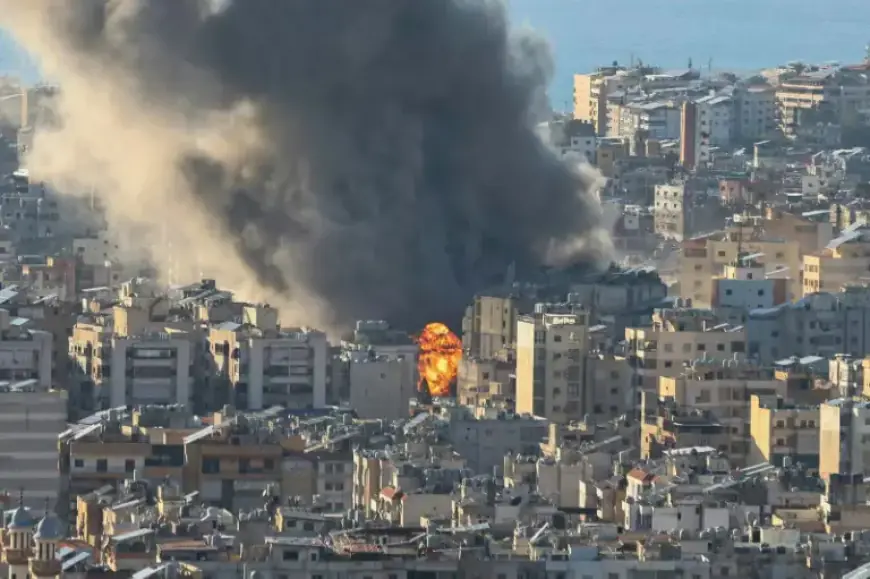
The current Middle East conflict, ignited by U.S.-Israeli operations against Iran, has rapidly escalated. As a result, several nations, including Cyprus, Sri Lanka, Turkey, and Azerbaijan, have felt the ripples of this ongoing strife. The situation demonstrates a significant potential for wider regional involvement.
Mideast Conflict Escalates: A Multi-Domain Challenge
The United States and Israel initiated hostilities by executing strikes against Iran, notably leading to the assassination of Iranian Supreme Leader Ali Khamenei. This event marked the beginning of a high-intensity, multifaceted military campaign, as described by the Soufan Center.
Geographical Spread of the Conflict
- The conflict now extends beyond direct military actions, evolving into regional instability.
- Incidents include a U.S. submarine sinking an Iranian warship near Sri Lanka, resulting in at least 84 fatalities.
- Iran has retaliated with drone strikes, targeting assets in Cyprus and launching a ballistic missile towards Turkey.
- Unmanned drones from Iran have attacked Azerbaijan, prompting strong responses from Baku.
Military analysts note that Iran’s strategy involves expanding the battlefield by striking at various allies and neutral nations. This approach seeks to destabilize the global economy and increase the costs of war for the United States.
The Role of Hezbollah and Broader Implications
Hezbollah, the Iran-backed Lebanese militant group, has intensified its attacks on Israel, while Israel has retaliated with significant strikes on Lebanon, resulting in multiple casualties. This escalation highlights the possibility of a coordinated effort aimed at increasing pressure on Israel across multiple fronts.
Military experts refer to this technique as “horizontal escalation,” which involves widening the conflict through new confrontations and warfare strategies. Notably, Iran’s action in the Strait of Hormuz threatens to disrupt significant oil and gas supplies globally.
Potential for Wider Involvement
The United States has been proactive in rallying NATO allies, though recent tensions have strained relationships. Following an attack near a naval base in Abu Dhabi, France has responded by deploying its aircraft carrier, Charles de Gaulle, to the Mediterranean.
International Responses
- Several European nations, including Britain, Greece, France, and Spain, are providing military support to Cyprus.
- President Emmanuel Macron of France has emphasized the need for collective security.
- The U.S. has pressured allies, criticizing Britain for reluctance to join in the anti-Iran operations.
With additional risks posed by potential involvement from the Iran-backed Houthis in Yemen, the regional situation remains volatile. Analyst Ibrahim Jalal emphasizes that the coming days are critical in determining the trajectory of this conflict.
Overall, the Middle East conflict continues to escalate, threatening to draw in more nations as the geopolitical landscape shifts rapidly. Observers remain concerned about the consequences of this spreading warfare.