























Kristi Noem Dog: Blankies, ICE Tactics and Luxury Jets Highlight Contentious House Testimony

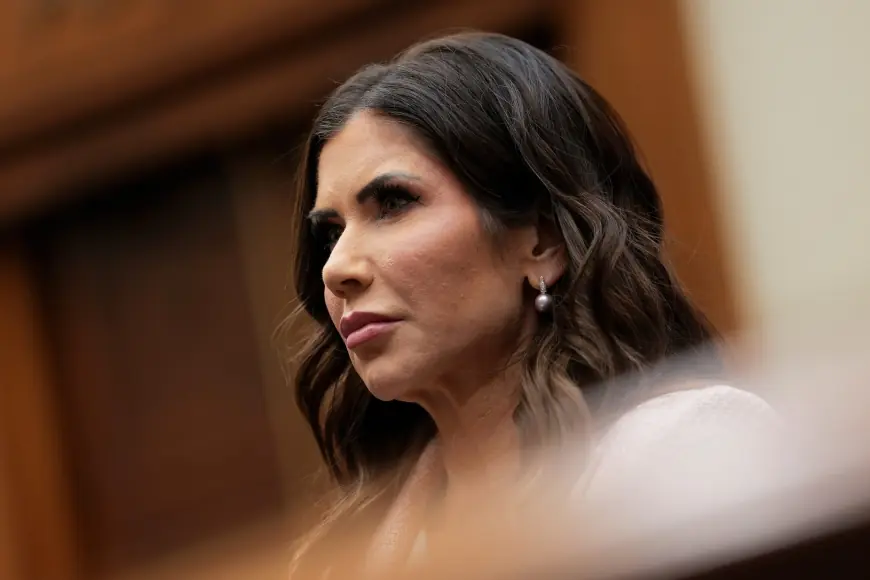
Kristi Noem Dog — Homeland Security Secretary Kristi Noem faced a combative second day of congressional testimony, during which lawmakers pressed her on immigration enforcement policies, the department’s use of luxury jets, personnel choices, and a controversial public characterization of deadly incidents. The exchanges sharpen questions about leadership, oversight and the use of executive authority.
Kristi Noem Dog: Top moments from the House testimony
The hearing, the second in back-to-back oversight sessions focused on immigration enforcement and the secretary’s leadership, repeatedly turned personal and contentious. Lawmakers challenged Noem on multiple fronts: operational decisions at the agency, the role and qualifications of a close adviser, and public statements about incidents that resulted in civilian deaths. Members remain deadlocked on how to proceed with fully funding the sprawling federal agency, framing the hearing as more than political theater.
One notable exchange involved the department’s use of government aircraft. Noem had defended the use of luxury jets in prior testimony, saying they were used for both executive travel and mass deportations. On the second day, lawmakers pressed that defense, with some describing an episode in which an item referred to as a special "blanket" was left on one government jet and not transferred to another. The exchange included an allegation that the adviser intervened and sought the pilot’s removal after the incident.
No-bid contracts, adviser scrutiny and leadership questions
Lawmakers also assailed Noem over the awarding of $143 million in no-bid contracts to a business tied to an operative, raising questions that the entity does not have an established headquarters or a website. The contracts and procurement choices drew sustained criticism and formed one of the substantive lines of inquiry about stewardship and accountability within the department.
Members of the panel zeroed in on the responsibilities assumed by a special adviser to the secretary. One lawmaker raised concerns about the adviser’s experience and noted that the individual’s role had extended beyond an allowable temporary period. The adviser’s influence and qualifications were framed as central to questions about who is shaping departmental policy and practice.
Domestic terrorism labels and constitutional concerns
An opinion column framed the testimony as revealing a troubling view of executive power after Noem refused to withdraw a public characterization of two Americans killed by federal agents in Minneapolis as domestic terrorists. The two individuals were identified in testimony as Alex Pretti and Renee Good. Lawmakers pressed the secretary on those statements; she declined to withdraw the label even as members emphasized the distinction between preliminary field reports and evidence tested through the legal process.
The column underscored broader due-process concerns, noting that labeling citizens in the immediate aftermath of violent incidents carries significant moral and political weight. It emphasized that accusation is the beginning of a legal process—not its replacement—and that institutional separation of investigative, accusatory and adjudicative powers is a guardrail against abuse. One senior enforcement official had told senators there was no evidence to support the terrorism claims, a point used by critics in questioning the propriety of public characterizations before investigations conclude.
What this means going forward
The testimony united procedural and ethical questions: procurement practices, personnel appointments and the bounds of public statements by top officials. With congressional deadlock over agency funding unresolved, the hearings could influence future oversight, funding debates and inquiries into procurement and personnel decisions. Recent exchanges indicate sustained scrutiny; details may evolve as oversight continues.
Schedule note: This article summarizes developments presented during the two days of testimony and related commentary. Further developments may emerge as lawmakers pursue additional oversight.