

























Middle East Conflict: Lebanon’s Endless War Traps Displaced in Nightmare

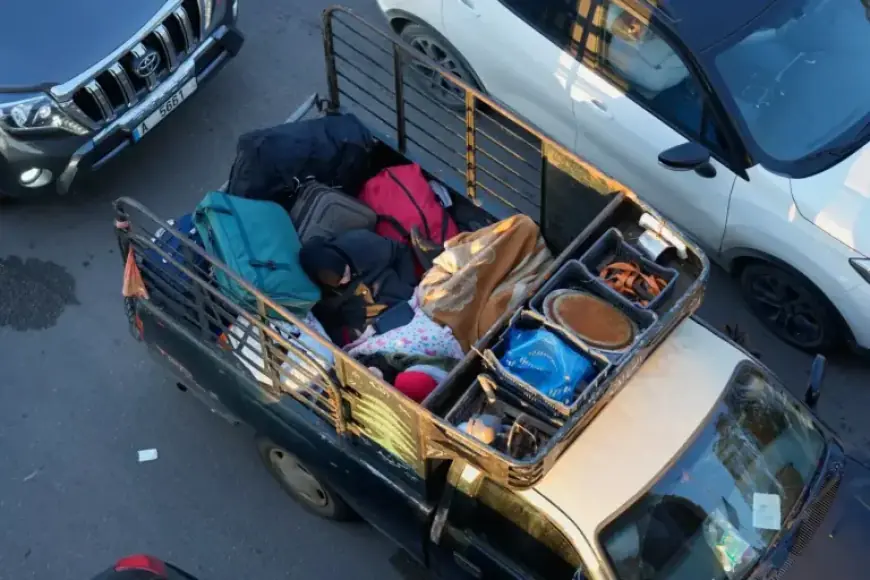
Lebanon is enduring a humanitarian crisis amid ongoing conflicts fueled by recent military hostilities. This situation has compelled tens of thousands of residents to flee their homes in southern Beirut and southern Lebanon, creating a severe displacement crisis.
Escalation of Violence
Despite a ceasefire declared at the end of 2024, Israeli strikes have persisted, leading to extensive casualties. Over the weekend, in response to U.S.-Israeli airstrikes in Iran that resulted in the death of Iranian Supreme Leader Ali Khamenei, Hezbollah launched counterattacks against Israeli positions. This provoked Israel to respond with over 80 airstrikes across southern Lebanon and the Bekaa Valley.
- Minimum casualties reported: 72 dead and 437 injured.
- Displacement: Over 83,000 individuals forced from their homes.
Living Conditions for Displaced Families
As families seek refuge in precarious conditions, public parks, schools, and hotels offer temporary shelter. In Beirut, the Martyrs’ Square has become a makeshift home for many. Em Amir, a resident, expressed frustration over the international community’s lack of action, stating, “There is no international law anymore.”
Abeer, another displaced resident, voiced similar concerns, having already fled from her village near the border. She stated, “We never know when we can return. There is no stability.”
Ongoing Displacement Figures
Following the flare-up in violence that began in October 2023, reports indicate:
- Casualties since the onset of conflict: Over 4,000 deaths and 16,000 injuries.
- Current displacement: Over 1 million individuals across Lebanon.
- Ceasefire violations: More than 10,000 reported by the UN.
Humanitarian Response and Challenges
Communal kitchens, like the Nation Station in Geitawi, are providing meals for displaced families while volunteers distribute hygiene products. However, limited governmental support and a struggling economy exacerbate the crisis. Even those who have managed to find shelter face challenges, such as exorbitant accommodation costs.
Khodr, a temporary resident at the Midtown hotel, mentioned the overwhelming cost of $60 per night, an untenable expense in a country with a minimum wage of only a few hundred dollars monthly.
Community and Psychological Impact
The psychological toll on children is significant. Youngsters are exposed to the constant drone activity overhead, as parents like Khodr recognize how this affects their mental health. Families continue to distribute resources among themselves, sharing meals and basic necessities as they come together in solidarity.
Future Outlook for Lebanon
With families bracing for another night outdoors, the humanitarian situation in Lebanon remains dire. The ongoing conflict continues to disrupt lives, forcing residents to face numerous challenges, including loss of home and stability. As residents of Beirut and beyond navigate this relentless crisis, it becomes even clearer that international engagement and support are critical for the survival of displaced populations.
In summary, Lebanon’s current conflict exacerbates an already fragile humanitarian landscape. As families seek refuge, the deterioration of living conditions highlights the urgent need for comprehensive solutions to address both immediate and long-term needs.