






















How Wars Strain the UK-US Special Relationship

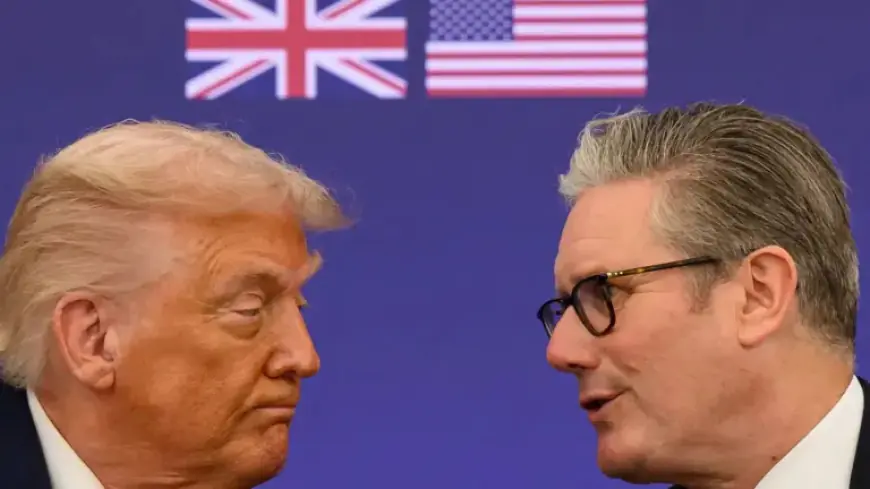
The relationship between the United Kingdom and the United States, often labeled as the “special relationship,” frequently faces challenges during times of war. This dynamic was recently highlighted during a session of Prime Minister’s Questions, where opposition leader Sir Keir Starmer defended the strength of this alliance amidst tensions with U.S. President Donald Trump.
The Strain of Conflict on the UK-US Special Relationship
At the heart of the discussion was President Trump’s pointed remarks, suggesting that Sir Keir’s leadership style was detrimental to the alliance. Conservative MP Gareth Bacon pressed Starmer to clarify whether his approach had strengthened or weakened this long-standing relationship. In response, Starmer aimed to reinforce the enduring nature of the partnership.
Key Interactions in Recent Parliamentary Debates
Prime Minister responded to Trump’s jibes by detailing tangible examples of cooperation. He stated, “American planes are operating out of British bases,” and emphasized that British jets defend American lives against threats in the Middle East. This exchange underscored the ongoing military collaboration reflective of the so-called special relationship.
Starmer also made a crucial point regarding the use of military bases. Trump’s frustration stemmed from Starmer’s earlier refusal to grant the U.S. access to the Diego Garcia base in the Chagos Islands. Starmer’s dismissal of U.S.-led “regime change” strategies further complicated their rapport.
Historical Context of the UK-US Alliance
The term “special relationship” was first articulated by Winston Churchill in 1946 during a pivotal speech alongside President Harry Truman. This historic partnership has witnessed both strong alliances and significant disagreements over the years.
- Churchill’s rapport with Truman after WWII.
- Friction during the Suez Crisis between Anthony Eden and Dwight Eisenhower.
- The restoration of ties by Harold Macmillan and John F. Kennedy in the early 1960s.
- Harold Wilson’s resistance to U.S. involvement in Vietnam.
- Margaret Thatcher’s disputes with Ronald Reagan over military interventions.
These moments reflect how dicey international relations can become during wartime, impacting leadership dynamics on both sides of the Atlantic.
Lessons from Iraq and Current Challenges
More recently, Tony Blair’s decision to support the Iraq War remains a point of contention within the Labour Party. Sir Keir took the occasion of recent parliamentary questions to acknowledge lessons learned from Iraq, stressing that any future military engagements must have lawful bases and well-structured plans.
This sentiment resonates amid ongoing discussions regarding Iran, illustrating how wars continue to challenge and potentially fracture the special relationship between the UK and the United States. The UK must carefully navigate its foreign policy to maintain trust and collaboration with its American counterpart.
As both nations assess their strategic interests, the history of the UK-US relationship suggests that conflicts can strain ties, emphasizing the need for thoughtful dialogue and cooperation going forward.