

























Trader Joe's Recall Expands to Millions of Frozen Meals — Immediate Impact on Shoppers and Retailers

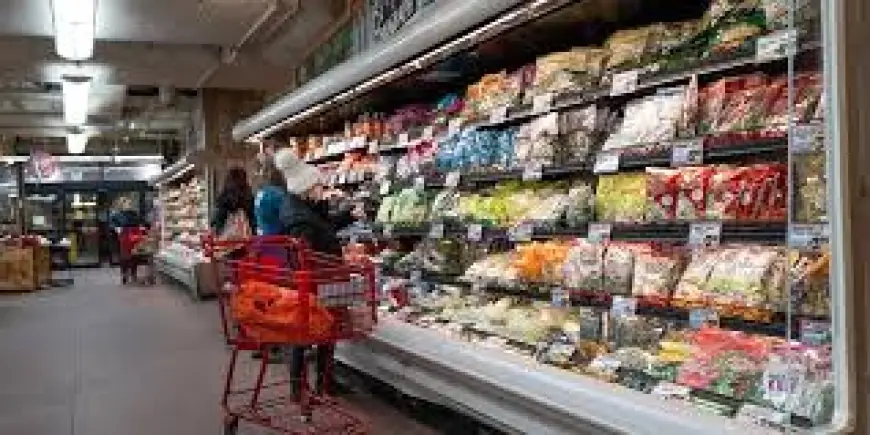
The Trader Joe's Recall is hitting grocery freezers and retailer inventories at scale, immediately affecting consumers who bought private-label frozen fried rice and dumplings and the stores that must process returns. Here’s the part that matters: this is not a narrow box-by-box alert but a broad expansion tied to a common vegetable ingredient, and it changes how households and supermarket supply teams should handle stocked frozen items today.
Who feels the impact first from the Trader Joe's Recall — shoppers, chains and supply chains
Shoppers who keep multiple frozen meals on hand face the most immediate friction: the recall includes private-label items that many people buy for quick meals, and the guidance in effect is to discard affected boxes or return them for refunds. Retail operations teams will feel the next strain: expanded alerts require additional store-level communications and potential refund processing, while buyers and inventory managers must isolate affected lots.
- Millions of pounds: the expanded action brings the total close to 37 million pounds of frozen products sold under several brands, including private-label items.
- Products span fried rice, shumai dumplings and some frozen ramen (the latter not carried by every grocer).
- Distribution reached retail locations nationwide, with some items also sent to Canada and Mexico.
- There have been no confirmed injuries tied to the recalled products so far.
What’s easy to miss is that the scope centers on a vegetable ingredient found across multiple SKUs, which explains why such varied packaged meals were pulled simultaneously. The real test will be how quickly returned product is isolated at distribution centers and whether affected lots are traced to a single upstream supplier.
Event details and the contamination trace — what was recalled and why
The recall began with an initial announcement that removed a smaller batch of frozen chicken fried rice and then expanded substantially. Investigations identified pieces of glass in consumer complaints, and the likely source was narrowed to a vegetable ingredient — carrots — which affected additional frozen fried rice, shumai and related items. Manufacturers extended the voluntary recall to include many production lots and best-by ranges, producing a large-scale addition to earlier actions.
Products included in the recall were produced over a multi-month window and carry best-by dates that extend into the following year, which is why consumers should check pantry and freezer stock closely. Retailers that sold affected items have been advised to accept returns or guide customers to discard the products for refunds.
Here’s a compact timeline drawn from published notices:
- Initial recall announced in late winter, focused on select chicken fried rice boxes.
- Further investigation found multiple consumer complaints that led to expanding the recall to more SKUs.
- Expanded recall brought the total to nearly 37 million pounds across several brands and product types, with best-by dates spanning a broad range through 2027.
Here are practical signals that will confirm how the situation unfolds: faster retailer recall processing, public lists of affected lot numbers and any confirmation of injuries or absence thereof. The real question now is how long it will take for all affected retailers to push consistent guidance to consumers and for upstream suppliers to resolve the ingredient pathway that introduced glass.
Short consumer guidance: if you purchased private-label frozen fried rice or shumai dumplings with the recalled best-by date ranges, do not eat the products; discard them or return to the store for a refund. Retailers have been issuing alerts and some chains are handling returns at customer service.
Key takeaways:
- The expanded recall covers a broad set of frozen fried rice, dumplings and some ramen items across multiple brands and private labels.
- Carsrots were identified as the likely vegetable source linked to glass contamination.
- Distribution reached stores nationwide and included exports to Canada and Mexico for some items.
- No confirmed injuries have been reported to date.
- Consumers should check best-by dates on freezer inventory and follow store return or discard guidance.
It’s easy to overlook, but this episode underscores how a single ingredient fault can cascade across many SKUs and brands because of shared supply chains. Retailers and consumers will be watching whether corrective actions include changes in supplier controls or processing checks for similar frozen product lines.