






















Keith Olbermann’s X post widens rift in public response to Lou Holtz’s death, drawing sharp backlash

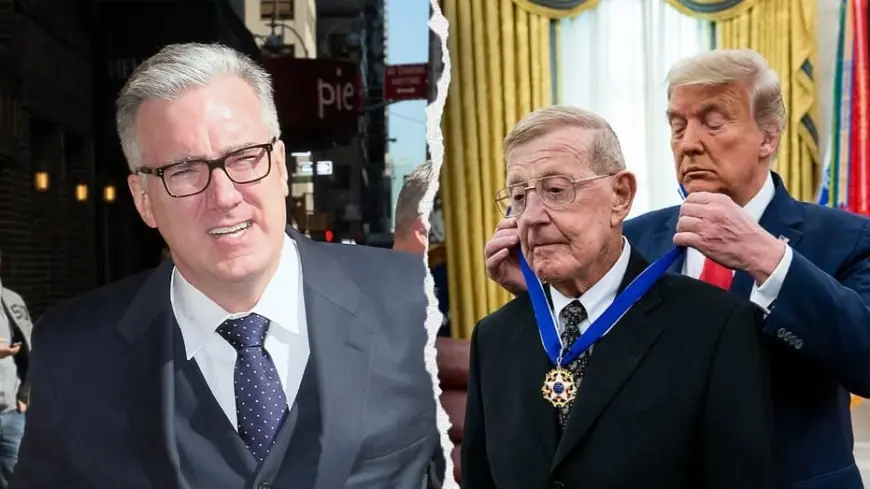
Who feels the impact first: grieving fans, political allies and anyone watching how social media handles mourning. On the day Lou Holtz’s death was announced, keith olbermann replied to a clip of Holtz criticizing a president with a brief, derogatory post on X that immediately provoked a flood of negative responses and reignited debate about Olbermann’s style online. The immediate fallout reframed some public reactions to the coach’s passing into partisan and personal argument.
Keith Olbermann and the immediate impact on public conversation
Here's the part that matters: the exchange did more than offend some users — it pushed a moment of public mourning into familiar cultural territory where prior grievances and political alignments shape how the event is discussed. The post drew sharp criticism from many on social platforms, with users defending the late coach and attacking Olbermann personally. At the same time, the coach’s death prompted an outpouring of tributes from prominent Republican figures, which contrasted with silence from several Democrats with football ties.
What’s easy to miss is that this is not an isolated flare-up; it landed against a backdrop of previous controversial posts by Olbermann that have similarly polarized responses online. That pattern helps explain why reactions were so immediate and intense.
What happened: the post, context and the responses
On the day Holtz’s death was announced, keith olbermann responded to a clip showing Holtz criticizing President Joe Biden in 2020 over support for abortion rights by calling Holtz a "legendary scumbag" in an X post. The message produced widespread backlash on social media, including vigorous defenses of Holtz and personal attacks directed at Olbermann.
Olbermann is identified in coverage as a former broadcaster and has a history of politically charged and often controversial posts. Past incidents noted alongside this episode include strong criticism of the U. S. men’s hockey team for accepting a State of the Union invitation, a confrontation with a former college swimmer over a women’s rights rally, and a 2025 episode in which he posted and later deleted a threatening message aimed at a media contributor following the assassination of a political influencer. Those prior controversies were cited as context for the swift reaction this time.
After Holtz’s death, numerous Republican figures offered public tributes; the list of names that posted tributes included multiple senators, representatives, governors and other party figures. Meanwhile, several prominent Democrats with football backgrounds had not publicly acknowledged Holtz’s passing at the time of the report.
- 2020: Lou Holtz publicly criticized then-President Joe Biden on the subject of abortion rights and was also awarded the Presidential Medal of Freedom the same year.
- 2025: Olbermann posted and later deleted a threatening message aimed at a media contributor after a high-profile assassination of a public figure.
- Day of Holtz’s death announcement: Olbermann replied to a clip of Holtz with the derogatory remark that set off immediate backlash.
Key takeaways:
- Social moments tied to deaths can quickly become arenas for broader political conflict rather than purely collective mourning.
- Olbermann’s post reactivated public memory of his prior controversial social-media behavior, intensifying responses.
- The coach’s passing produced a clear partisan split in public tributes and silence that shaped how the exchange was received.
- Expect heightened scrutiny of high-profile commentary in the immediate aftermath of public figure deaths; responses often depend on prior patterns of behavior.
The real question now is whether this episode changes how commentators approach public figures’ deaths on social platforms, or whether it will be folded into the next cycle of polarized responses. The larger conversation around decency, timing and the role of social media remains unsettled, and details may continue to evolve.
(Writer’s aside: The bigger signal here is the way repeated online behavior conditions public reaction — past controversies make new ones land heavier and faster. )