























Vladimir Netflix: Rachel Weisz Is Unswervingly Brilliant in a Dark, Funny Campus Thriller

The new eight-part screen adaptation of a 2022 novel lands as a provocative series, and vladimir netflix places Rachel Weisz in an unswervingly brilliant lead role that anchors a black-comic, morally ambiguous examination of academic life and desire.
Vladimir Netflix: performance, adaptation and tone
This television version preserves the novel’s appetite for bleak insight and black comedy while expanding intimate moral tension for the screen. The adaptation’s writer has absorbed the book’s voice and keeps the narrative luxuriating in grey areas, letting characters live in moral uncertainty rather than delivering tidy verdicts.
At the center is an unnamed tenured English professor played by Rachel Weisz. Her steadiness and intellectual posture are the series’ linchpin as she navigates the fallout when her husband, also a senior academic, is suspended after allegations about relationships with students. That development forces the professor to balance self-protection, family obligations and questions of institutional justice.
What the cast and structure reveal
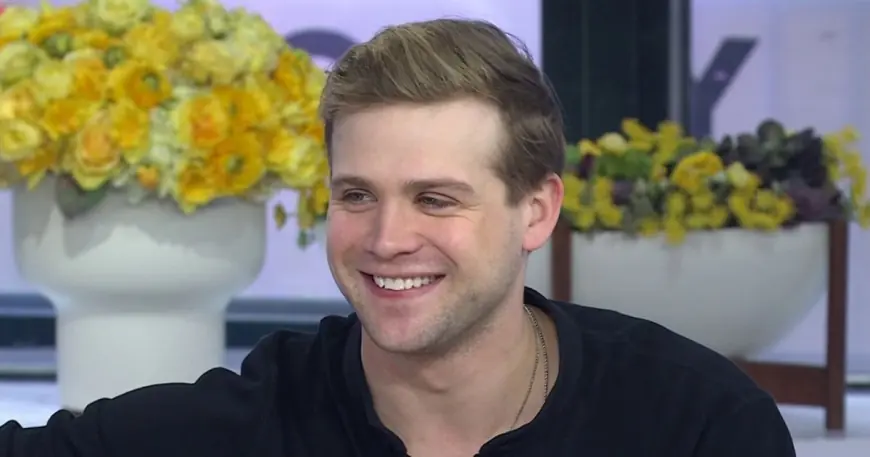
The ensemble includes the husband figure, the younger colleague Vladimir, and key family players. Vladimir, played by a younger actor, is a bright and flirtatious new hire who becomes the object of the professor’s desire. Vladimir is married to Cynthia, who is depicted as a promising early-career academic on the path to a faculty position. The professor’s daughter, Sid, figures into the personal stakes.
- Lead: unnamed tenured English professor — central moral viewpoint and internal narrator.
- Husband: suspended for relationships with students — a catalyst for campus conflict.
- Vladimir: new faculty member whose arrival provokes desire and disruption.
- Cynthia: Vladimir’s wife, presented as an up-and-coming academic.
- Sid: the professor’s daughter, part of the family-based consequences.
How the show handles power, narration and campus politics
The series interrogates generational differences in how relationships and power are understood. A recurring defense from some characters frames past behavior as belonging to a different cultural moment, while others press for a reassessment. Students are positioned not only as complainants but also as actors whose enrollments and choices shape faculty fortunes, adding a structural layer to the moral debate.
Narratively, the program leans on an intentionally unreliable interior perspective: much of what viewers experience is filtered through the protagonist’s internal life, including direct addresses to camera that work to complicate sympathy rather than simplify it. That approach keeps viewers alert to interpretation and motive rather than presenting a single moral frame.
Why Vladimir Netflix matters and what to watch for
As a study of desire, reputation and institutional power, the series finds its authority in performance and tonal control. The lead performance gives the show a humane center even as it refuses easy judgment; the screenplay retains the novel’s wit and willingness to linger in ambiguity. Expect the show to provoke conversations about how past behavior is contextualized and about who gets to decide what counts as harm.
For viewers drawn to character-led drama that sidesteps neat answers, vladimir netflix offers a textured look at middle age, attraction and the quiet calculations that underpin academic life. It is crafted to be admired for its craft and to invite repeated viewings as audiences parse motive and consequence.
Details about distribution and episode scheduling are set by the platform releasing the series; potential viewers should watch for official announcements. Recent reviews and early audience reactions highlight performance, tone and the adaptation’s faithfulness to the novel’s morally thorny spirit, though individual reactions may vary.