

























US Strategically Sinks Iran’s Advanced Warship

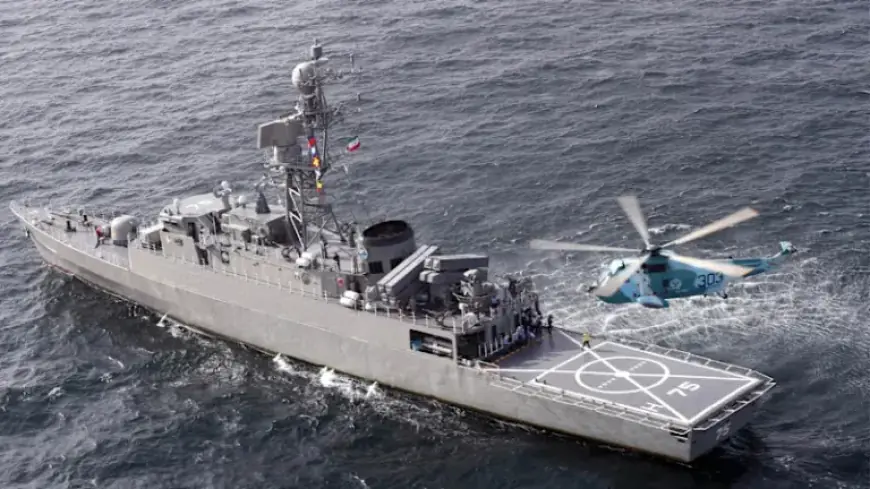
The recent sinking of an Iranian warship off the coast of Sri Lanka has marked a significant escalation in military operations. This event marks the first instance since World War II where an American submarine has targeted a surface vessel.
Details of the Sinking
The Iranian frigate IRIS Dena was struck by a torpedo from a U.S. submarine. The incident occurred approximately 3000 kilometers from Iran’s shores, in international waters. This action represents a major operational shift amid the ongoing conflict that has persisted for five days.
Rescue and Casualties
Rescue efforts by the Sri Lankan Navy recovered 87 bodies and rescued 32 individuals from the wreckage. The distress signal was sent at 6 AM local time. Survivors were transported to a hospital in Galle, where one individual remains in critical condition and seven others are receiving emergency treatment.
U.S. Military Objectives and Operations
U.S. Defense Secretary Pete Hegseth stated that the U.S. has targeted a vessel that was presumed secure in international waters. This operation exemplifies an extension of military actions beyond Iranian borders. President Donald Trump has indicated that eradicating Iran’s naval capabilities is one of the war’s main objectives.
Weaponry Used
The torpedo responsible for the sinking is believed to be a Mark 48 heavyweight model. This weapon is designed to create a significant shock wave beneath the hull of a target, increasing the likelihood of incapacitation. The U.S. Navy employs nuclear-powered attack submarines that operate quietly to approach enemy vessels undetected.
Background of the IRIS Dena
The IRIS Dena, launched in 2015, was one of Iran’s modern warships equipped with various arms, including heavy guns and missiles. It was reportedly returning from a joint military exercise off the coast of India at the time of the incident.
Iran’s Military Fleet
In the ongoing conflict, at least 20 Iranian naval vessels have been confirmed sunk. While the U.S. has not provided complete details, it is believed that Iran maintains a considerable number of vessels. Reports from the U.S. Defense Intelligence Agency indicate over 200 weapons-carrying vessels within the Iranian Navy.
Historical Context
While Hegseth claimed this was the first instance since World War II of a submarine sinking a ship, historical records show otherwise. Notable examples include the sinking of the Argentine cruiser General Belgrano by a British submarine during the Falklands War in 1982.
This recent escalation in military engagement highlights the increasing complexity of naval warfare and raises questions about the legality and ethics surrounding such operations in international waters. The incident underscores the fragile state of global maritime security, particularly in the context of Iranian military activities.