

























Contributor Critiques Trump’s Unclear Motives in Starting This War

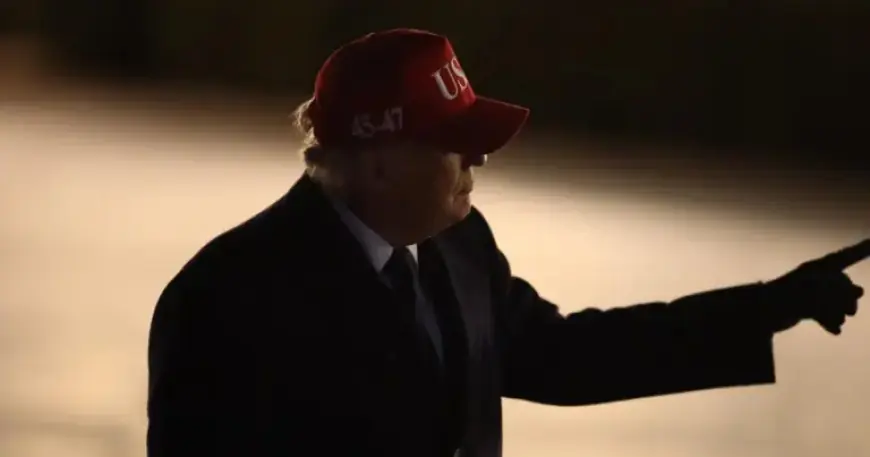
Recent developments surrounding the U.S. military actions against Iran have led to numerous analyses and critiques regarding the motives behind this conflict. President Donald Trump’s approach appears inconsistent, oscillating between military aggression and desires for negotiation. The Middle East is currently embroiled in a regional war, with a definitive end still unclear.
Trump’s Military Strategy Against Iran
In June, Trump ordered airstrikes on Iran’s primary nuclear facilities, aiming to diminish Tehran’s uranium enrichment capabilities. Initially, the goal was somewhat limited. However, current military operations have expanded significantly. The focus now includes:
- Iran’s political leadership
- Ballistic missile installations
- Air defense systems
- The Iranian navy
Trump has not ruled out the deployment of U.S. ground troops, suggesting operations could continue for four to five weeks. In a single day, U.S. and Israeli forces attacked over 2,000 targets across Iran. The conflict intensified with the assassination of Supreme Leader Ayatollah Ali Khamenei, demonstrating the commitment of both nations to cripple Iran’s military and political structures.
The Consequences of Military Engagement
While the military strikes aim to weaken Iran, the country still poses challenges. Despite lacking conventional military parity with the U.S. and Israel, Iran has methods to create instability. Incidents include:
- Drone attacks on high-rise buildings in Bahrain
- Missiles hitting targets in Israel
- Strikes against Saudi Arabia’s Aramco oil facilities
- Attacks forcing Qatar to halt operations at a major gas export facility
Additionally, the Strait of Hormuz, a critical maritime route for global oil trade, is reportedly being bypassed by shipping companies due to heightened tensions.
Potential for Negotiation
The ongoing conflict raises a crucial question: What is the end game for the Trump administration? Critiques suggest the lack of a clear objective may lead to disappointment. If Trump’s intention is to fully dismantle Iran’s leadership, he may face future challenges. A succession plan is already in place within Iran’s political framework, ensuring continuity despite recent upheavals.
Long-term military engagement could result in an endless cycle of conflict. While it may weaken Iran in the short term, the nation historically rebuilds its military strength. An alternative to continuous conflict could lie in diplomacy. However, Trump’s maximalist demands might deter Iran from negotiation.
Iran’s previous experiences with U.S. diplomacy have left them cautious. After Trump’s withdrawal from the 2015 nuclear deal and his attacks during diplomatic talks, Tehran is skeptical of U.S. intentions. Iranian Foreign Minister Abbas Araghchi noted the bitterness stemming from these encounters, emphasizing the distrust that now plagues U.S.-Iran relations.
As the war continues, clarity on what constitutes victory for Trump remains elusive. The international community watches closely, hoping for an end to hostilities and a return to diplomatic engagement.