






















Stefon Diggs' Future with the Patriots in Question After Contract Details, 1,013-Yard Return and Playoff Performance

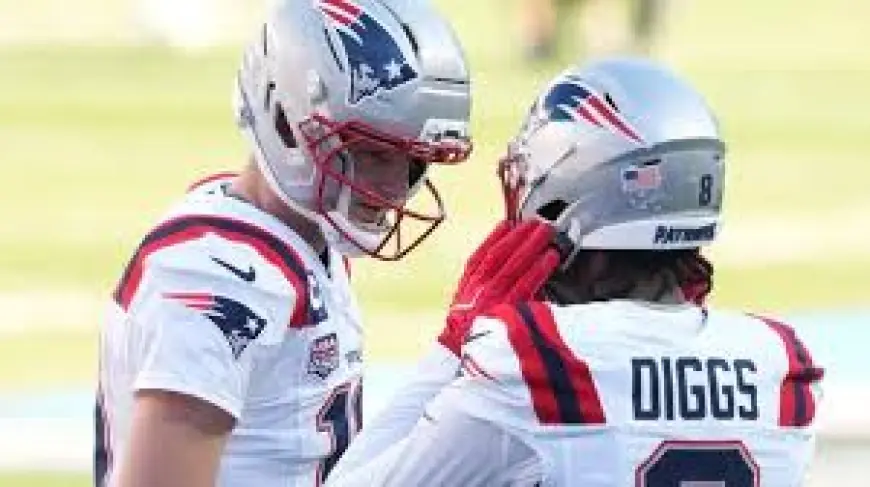
stefon diggs finds himself at the center of a roster calculus that mixes contract mechanics, on-field production and postseason scrutiny. Recent analysis of his deal, his comeback from an ACL tear that yielded 1, 013 receiving yards on 85 catches, and his four-game playoff output have combined to make his next step with the team a key decision point.
Why Keeping Stefon Diggs Makes Sense
A veteran perspective weighing the options for the roster argues that an adjusted contract could benefit both player and team. The argument rests on two linked realities: Diggs remains a high-volume target coming off a significant injury year, and replacing a four-time Pro Bowler’s production is not straightforward.
- High baseline production: 1, 013 receiving yards on 85 catches after returning from an ACL tear.
- Postseason caveat: a combined 110 receiving yards across four postseason games, raising questions about playoff impact.
- Replacement challenges: internal options would need to step up, and relying on unproven alternatives presents roster risk.
The central contention is pragmatic: if the team and player can agree to reshape financial terms, the roster retains a proven primary target while gaining salary-cap flexibility. That pathway is framed as preferable to a cut or trade that would create a vacuum in the receiver room.
Contract Mechanics, Guarantees and Cap Implications
The contract framework driving the debate is explicit. The deal carries a $26. 5 million cap hit in each of the next two seasons of a three-year agreement signed last offseason. For the upcoming season, only $1. 7 million of the salary is immediately guaranteed, with an additional $6 million scheduled to vest on a defined date in March. Those structural points give the team financial levers if it chooses to move on, while also giving the player negotiating points that could preserve his role.
| Contract Element | Detail |
|---|---|
| Cap hit (each of next two seasons) | $26. 5 million |
| Guaranteed portion of upcoming salary | $1. 7 million |
| Additional guarantee vesting | $6 million vests on a specified date in March |
Given those numbers, the team faces a calculus between short-term cap savings and the long-term cost of replacing a top target. A restructured deal could lower immediate cap hits while keeping receiving production intact; a cut or trade would free cap space but force the front office to search for proven alternatives.
Roster Alternatives and the Market Question
Discussion about roster construction highlights a narrow set of plausible in-house upgrades. One internal candidate is mentioned as a potential step-up option, but uncertainty remains about whether that player can replicate Diggs’ volume and consistency. Another roster name is described as less essential to the core argument about replaceability.
Market perception also factors in: the playoff sample is put forward as a datapoint that could influence external offers and internal valuation. The combination of a strong regular season, a return from significant injury and limited playoff yardage yields mixed signals for prospective suitors and for negotiation leverage.
What Comes Next
Negotiations and decisions are poised around a defined vesting date in March that will alter the team’s mutability. Observers note that a restructured contract would likely be the most straightforward route to keep the receiver in place, while cutting or trading would create immediate cap room and a pressing need to find a comparable target.
Recent commentary frames the situation as negotiable rather than settled. Details may evolve as the vesting date approaches and as both sides weigh perceived market value, playoff performance, and roster construction priorities.