






















Canucks Hold Out Tyler Myers as Trade Deadline Clock Ticks

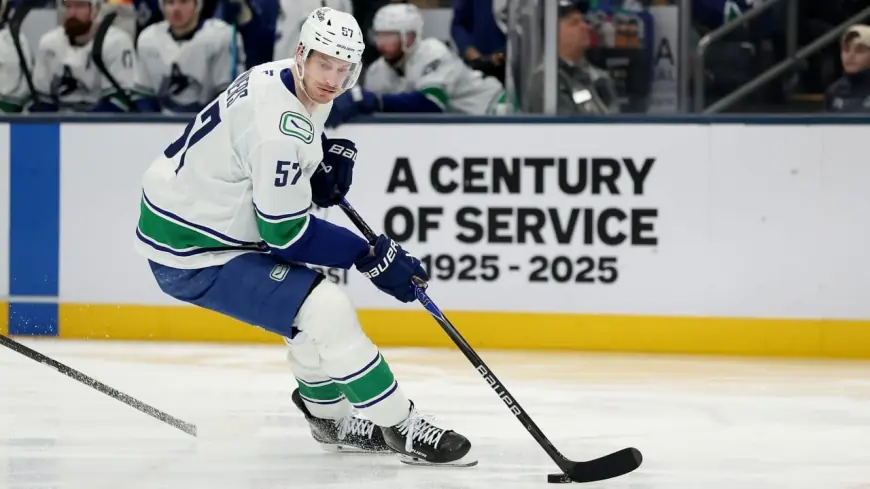
tyler myers was a late scratch for Vancouver’s 3-2 overtime loss to the Winnipeg Jets on Wednesday as the team flagged roster-management maneuvers with the March 6 trade deadline looming at 3 p. m. ET. The decision matters because Myers’ contract protections and the Canucks’ position near the bottom of the standings shape how any move — and the timing of it — can play out.
Tyler Myers' No-Move Clause Gives Him Control
The 36-year-old is in the second season of a three-year, $9 million contract that carries a $3 million average annual value, and he currently holds a full no-move clause for this season. That protection means any trade requires his approval now; the clause will become a modified, partial protection after this campaign, and his full protection is set to end on July 1. Those contractual details give Myers leverage over destination and timing, and they are central to why a deal has yet to be completed despite interest from several clubs.
One insider outlined that Detroit had submitted an offer the Canucks wanted to consider, and that other teams — including the New York Islanders, Dallas Stars and Anaheim Ducks — have been linked to Myers. The key obstacle in late-stage discussions has been the player's assent. If Myers declines a short-term move, the Canucks would face greater trading flexibility after the season when his no-move protection is reduced.
What makes this notable is the intersection of contract control and market demand: a veteran defender with multiple suitors can effectively steer his next stop because his full no-move clause still applies, compressing bargaining into the final days before the deadline and increasing pressure on both player and club to reach a compromise.
Canucks' Roster Moves and Interest from Multiple Teams
Vancouver’s decision to scratch Myers for roster-management reasons came as the club sits at 18-33-7 and 32nd in the League standings, positioning the team to consider a broad series of moves ahead of the deadline. Coach Adam Foote framed the scratch as part of end-of-season roster juggling, saying the move is “just the way it is” at this time of year and that the team is prepared to make adjustments.
Veterans and teammates have acknowledged the situation within the dressing room. Forward Evander Kane emphasized readiness for business decisions that can happen quickly in the short window before the deadline, while Brock Boeser called Myers “a big voice in the room” and said losing him would “stink, ” adding that Myers deserves a chance to join a contender. Those comments underscore the human side of a transactional period: leadership value inside the locker room versus the club’s need to extract assets while value exists.
Insiders noted the Canucks are generally listening on names across the roster, with exceptions for young core players and veteran defenseman Filip Hronek. The club previously moved a marquee defender earlier in the season, signaling a willingness to reshape the roster. With multiple organizations circling Myers and the Canucks eager to gain value as they rebuild, the club appears intent on finding a destination that suits both the player and its return expectations.
The practical effect of the scratch and ongoing talks is a compressed negotiation timeline: with the March 6 deadline at 3 p. m. ET approaching in days, any interested team must not only present an acceptable package but also secure Myers’ approval. That dynamic has made clear offers difficult to convert into completed trades and leaves the final outcome dependent on the veteran’s choice as much as the Canucks’ appetite to move him.
As the deadline window narrows, the next moves will hinge on whether Myers signs off on a destination now or elects to retain control until his contractual protections lessen in the offseason. The club’s standings, the contract timeline, and interest from multiple suitors together create a situation in which a single approval or veto will determine whether Vancouver can extract tangible return for a veteran leader.