
























Shell Gasoline and the Consequence-Driven Shock: Headlines Flag a Strait of Hormuz Blockade

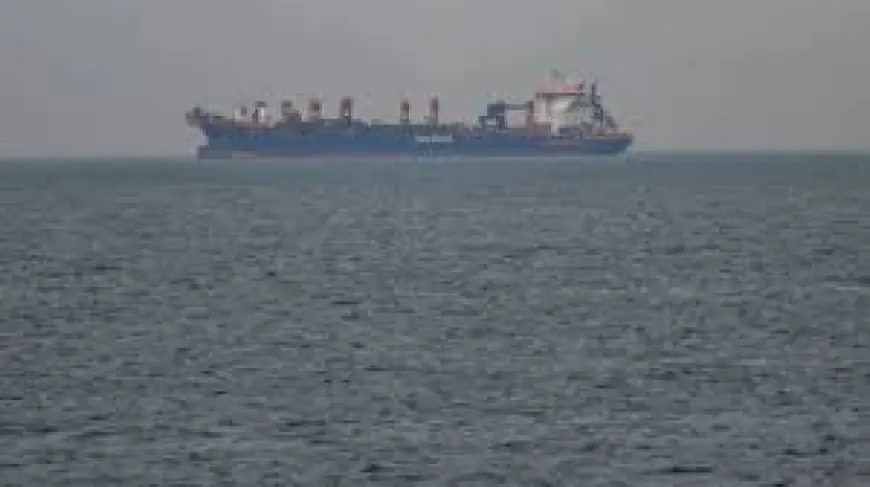
Why this matters now: recent headlines describe a blockade of the Strait of Hormuz and a claim by Iran’s IRGC of ‘complete control, ’ a combination framed as a possible trigger for wider disruption. That framing puts companies tied to refined fuel movement and retail, and the broader market for shell gasoline, into a consequence-driven spotlight—where timing, inventory and routing decisions could shift quickly even as details remain fluid.
Shell Gasoline — first-order consequences and immediate channels
Here’s the part that matters: when coverage raises the prospect of a physical blockade and an armed group's claim of control, the immediate consequences are not limited to headlines. Commercial planning, pricing signals and logistical choices can move ahead of verified facts. For entities connected to gasoline supply and retail, small adjustments (route changes, tender pauses, inventory rebalancing) can cascade into visible market changes.
It’s easy to overlook, but these are operational adjustments rather than long-term strategies at first—actions meant to buy time while uncertainty is resolved. The real question now is how rapidly decision-makers tied to refined fuels respond to evolving signals and whether those responses themselves amplify market movement.
- Headlines frame three related claims: a blockade of the Strait of Hormuz, a statement attributed to Iran’s IRGC asserting control, and a warning that the global economy faces the prospect of another profound shock.
- Supply-chain actors tied to gasoline distribution typically react to perceived chokepoints; these reactions often show up as regional price moves, rerouted shipping, and short-term inventory shifts.
- Retail and wholesale gasoline channels can feel pressure faster than end-demand metrics change—stockpiling and allocation shifts happen in days, not months.
- Market signals that would confirm a durable shift include sustained route closures, verified control of a chokepoint, or explicit disruptions to refined product deliveries.
What the headlines say and how those points connect
To stay within what has been stated: headlines describe a blockade affecting the Strait of Hormuz; they include a claim by Iran’s IRGC of ‘complete control’ over the same waterway; and they frame the situation as one that could threaten the global economy with another profound shock. Those three elements are the basis for current consequence-focused reactions across trading desks and logistics teams.
Because the public record used here is limited to those headline claims, many operational specifics—timing, scope, affected routes, or named countries—are not available in that material. Recent updates indicate details may evolve, and firms handling refined fuels are preparing for multiple scenarios rather than a single confirmed outcome.
What’s easy to miss is that the chain from a reported chokepoint to retail pump effects is mediated by several layers—shipping insurers, chartering decisions, refinery runs and distribution networks—each of which can damp or amplify the initial shock.
If you’re wondering why this keeps coming up: even the possibility of a major route disruption creates optionality costs for those who move, store and sell gasoline. That optionality shows up as premium pricing for certain logistics services and as tactical inventory choices at regional hubs. For any firm with exposure to refined fuel flows, including named and generic gasoline channels, the response window is narrow and often precedes full verification.
Final note on certainty: the material underpinning this analysis is limited to the headline claims described above. Details remain developing and verifiable confirmation of physical control or sustained blockade conditions is not included in that material. Parties making operational moves are doing so on precautionary signals rather than a fully documented operational picture.