






















Walmart Agrees to $100 Million Settlement Over Spark Driver Pay and Tip Allegations

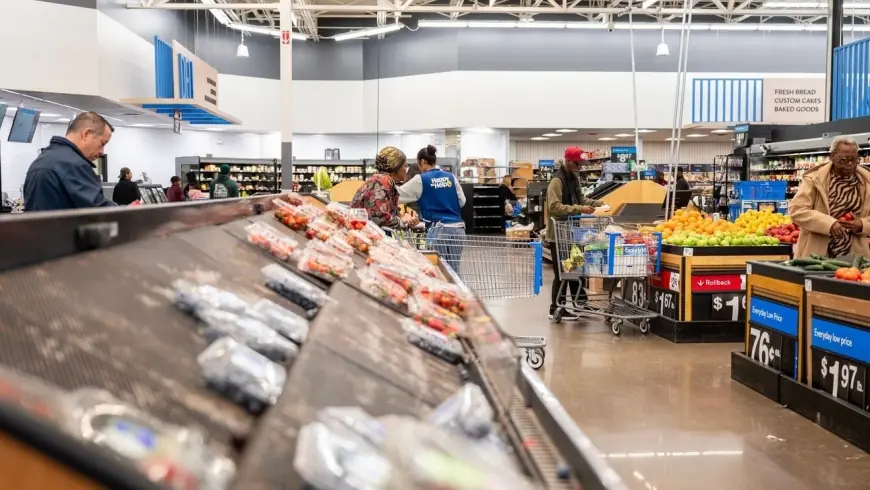
Walmart has agreed to pay $100 million to resolve federal and state claims that it misled delivery drivers about earnings in its spark driver program, a settlement filed this week in federal court in California. The move matters now because regulators say the misrepresentations affected drivers’ decisions and led to tens of millions of dollars in lost pay across a nationwide delivery network.
Spark Driver program payout and tip practices
The complaint alleges the Spark Driver platform displayed one estimated payout for a delivery, only for Walmart to later split or alter orders after drivers accepted them, leaving drivers with less than the base pay or tip originally shown. The FTC and state attorneys general contend that when a single order required multiple drivers, the app still displayed the full tip amount to each driver even though the tip was divided among them.
Investigators say the consequences were tangible: drivers who relied on the posted pre-tip amounts, base pay and incentive pay sometimes received smaller payments than expected, and collectively they lost what regulators describe as tens of millions of dollars. The case also centers on representations that 100 percent of customer tips would be passed through to drivers; the settlement resolves allegations that Walmart did not always do so.
What makes this notable is the scale of the operation cited in the filings: the Spark Driver arrangement has handled hundreds of millions of deliveries nationwide, meaning the disputed practices touched a very large pool of workers and customers. The program, which allows gig workers to accept offers through an app and perform deliveries for Walmart and other retailers, was alleged to have misled drivers about earnings dating back to 2021.
FTC, 11 states and federal court action
The Federal Trade Commission brought the suit alongside a bipartisan group of state attorneys general, with the agency saying 11 states joined the enforcement effort. FTC Chair Andrew Ferguson described the agreement as "a huge win for American workers, " saying the settlement requires Walmart to pay $100 million to drivers who were denied full promised compensation and to change business practices so that representations to drivers and consumers are correct.
Christopher Mufarrige, Director of the FTC’s Bureau of Consumer Protection, emphasized the market implications, noting that truthful information about earnings is critical for labor markets to function efficiently. The proposed stipulated order filed this week in federal court in California resolves the agencies' claims while leaving Walmart neither admitting nor denying the allegations.
The settlement must still receive final court approval. In the interim, Walmart has said it has issued payments to affected drivers and will continue to make additional payments where necessary. Company statements indicate ongoing adjustments to procedures intended to improve transparency and fairness for drivers.
The sequence of events in the filings shows a clear cause-and-effect chain: platform displays and verbal or written representations about pay led drivers to accept offers based on expected earnings; when payouts were split or changed after acceptance, drivers received less than advertised; those shortfalls prompted regulatory action culminating in the $100 million resolution and mandated business changes. The timing matters because the complaint traces alleged misrepresentations to activity since 2021, a multi-year span during which the program expanded its reach.
For drivers who used the Spark Driver app to evaluate and accept delivery offers, the agreement promises monetary relief and procedural changes. For regulators, the settlement signals an enforcement emphasis on transparency in gig-era pay disclosures. The settlement language and filings emphasize restitution to affected drivers and corrective measures rather than admissions of liability.
Final court approval will determine how the $100 million is distributed and what specific business-practice reforms Walmart must implement. Until that approval is granted, the stipulated order remains the mechanism the parties have chosen to resolve the claimed misrepresentations about base pay, incentive pay and tips in the Spark Driver operation.