






















David Ross and the Military Moment: Why Paul Skenes Wearing Team USA Resonates with Service Members and Fans

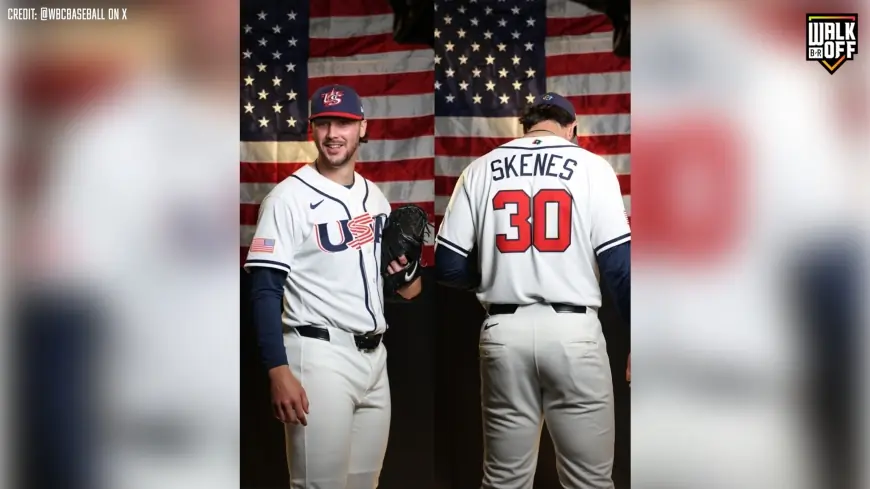
For military families and Team USA supporters, the choice of players to wear the national uniform matters beyond wins and losses — it becomes a symbolic gesture. This is why paul skenes’ commitment to represent Team USA carries weight: his Air Force Academy background and a public pledge to turn strikeouts into donations make his selection feel personal to service communities. If you’re wondering why this keeps coming up, here’s the part that matters: symbolism and charitable intent can shift fan engagement and expectations for the World Baseball Classic.
David Ross and the fan-military lens: who feels the impact first
Paul Skenes’ selection is most immediately meaningful to three groups: active-duty service members and veterans, families connected to the armed forces, and fans who prioritize national symbolism in international tournaments. Those audiences interpret roster choices as statements; Skenes’ public ties to the military—his two years at the Air Force Academy and stated desire to serve—amplify the emotional stakes. david ross is a name that often appears in broader Team USA conversation, but in this moment Skenes’ personal history is what will register first for military-oriented supporters.
- Military communities: Skenes has framed this appearance as a way to honor men and women in uniform.
- Charitable backers and nonprofit partners: his strikeout pledge converts performance into funding for veteran-focused programs.
- Team USA fans focused on symbolism: roster choices can alter narratives around patriotism and representation.
What’s easy to miss is that the emotional reaction isn’t just about patriotism; it’s also about how athletes translate on-field results into off-field commitments that matter to specific groups.
Event details embedded: Skenes’ background, his pledge and recent performance
Embedded in the decision to have Skenes on Team USA are a handful of undisputed facts: he spent two years at the Air Force Academy before transferring to LSU, where he won a national championship. In public comments he said he loves America and that representing the country feels like an honor tied to his earlier intent to serve. He has also tied performance to philanthropy — pledging a fixed donation for each strikeout to a foundation that supports military, veteran and first-responder communities. On the field, last season he recorded 216 strikeouts and won the National League Cy Young award. Visual coverage of his pre-tournament activity shows him throwing during workouts and spring training sessions as preparations continued.
A short timeline embedded here clarifies the arc leading to the World Baseball Classic selection:
- Two-year attendance at the Air Force Academy, followed by a transfer to LSU.
- Winning a national championship while at LSU.
- Most recent professional season with 216 strikeouts and the National League Cy Young award; then publicly committing to represent Team USA and linking strikeouts to donations.
The real question now is how Skenes’ combination of performance and public service orientation will shape fan expectations for Team USA, especially among those who follow the tournament with a patriotic or charitable lens.
Signals that would confirm this trend include visible increases in charity engagement tied to Skenes’ appearances, heightened messaging from veteran-focused groups aligning with Team USA events, or a shift in fan conversations toward the charitable framing of player performance. david ross remains part of the broader WBC discourse, but in this case the headline actor is the pitcher whose background and pledge create a clear link to service communities.
It’s easy to overlook, but the bigger signal here is how modern athletes can convert on-field statistics into immediate social impact — and how that conversion changes who pays attention and why.