

























Daylight Saving Time: Why We Change and Its Health Impact

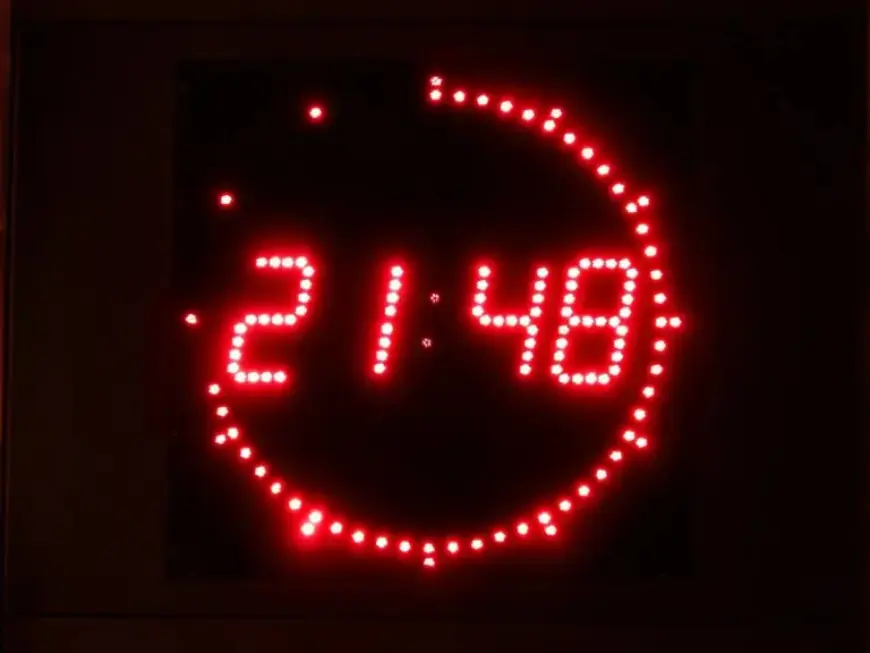
Daylight Saving Time, commonly known as DST, affects millions of people worldwide. This time adjustment, primarily initiated in spring, causes a loss of an hour of sleep. As a result, individuals often experience various health impacts.
Health Effects of Daylight Saving Time
The transition into Daylight Saving Time can stir significant disruptions within our biological clocks. The lost hour of sleep may lead to:
- Sleep disturbances
- Difficulty falling asleep
- Changes in appetite
- Poor concentration
These effects are particularly pronounced in the spring when the clock moves forward. The abrupt change can be challenging for the body to adjust to.
Historical Perspective on Daylight Saving Time
The practice of adjusting clocks began as a response to the oil crisis in the 1970s. In 1975, to save energy, the concept of Daylight Saving Time was introduced. The primary goal was to align activity hours with daylight hours, ensuring that artificial lighting was needed less frequently.
By the 1980s, adoption of this practice had become widespread across the European Union. Although beneficial for energy conservation, the future of DST has come under scrutiny. The European Commission has considered abolishing the clock change multiple times.
Future of Daylight Saving Time
Recent discussions around this initiative have been stalled, particularly due to delays stemming from the COVID-19 pandemic. Currently, the proposal to eliminate Daylight Saving Time remains inactive.
Improving Your Sleep During Time Changes
To mitigate the adverse effects of DST, consider these tips for better sleep:
- Avoid screen time at least one hour before bed.
- Dim the lights in your room prior to sleeping.
- Limit alcohol and caffeine consumption in the evening.
- Engage in regular physical activity.
Staying aware of the impacts of Daylight Saving Time can help individuals navigate changes more smoothly. By taking proactive measures, you can safeguard your health during this seasonal adjustment.