























Federal Reserve: Warsh Faces Slow Balance-Sheet Pullback and Shrinking Odds of Early Rate Cuts

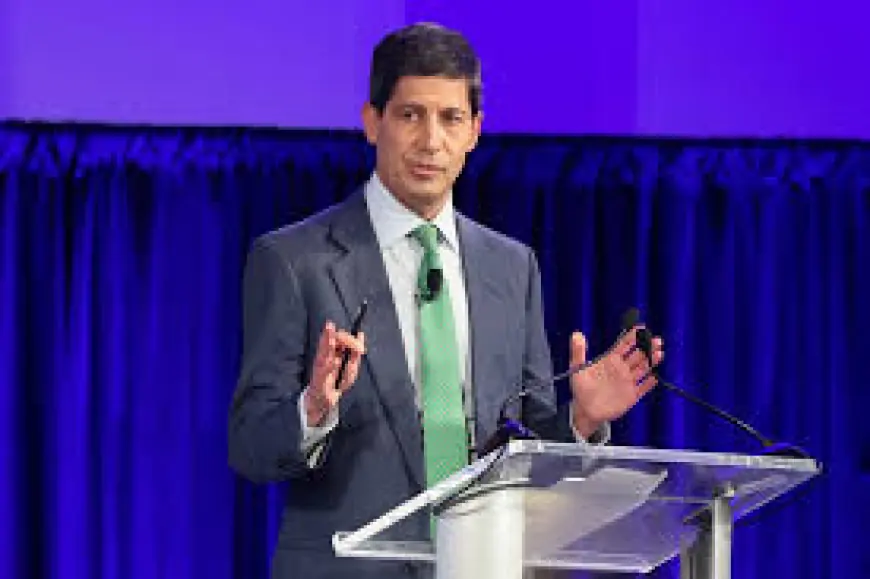
The latest developments leave a clear signal: Kevin Warsh’s push to shrink the Federal Reserve balance sheet would evolve slowly, and his path to early rate cuts is getting tougher. That combination matters because it reshapes expectations for monetary policy timing and the trajectory of financial markets under a potential Warsh-led approach.
Federal Reserve balance-sheet plans would evolve slowly
The central takeaway on balance-sheet policy is straightforward: the planned effort to shrink holdings is described as likely to proceed at a gradual pace. A slow unwind implies a prolonged period during which the Federal Reserve remains actively managing its balance sheet rather than rapidly reversing prior expansions. That posture can affect liquidity in key markets and reinforce a more cautious stance toward easing overall monetary policy.
Maintaining a deliberate timeline for balance-sheet reduction typically signals policymakers’ desire to avoid disruptive moves. In this case, the characterization that the push "would evolve slowly" suggests operational conservatism and an emphasis on sequencing when trimming large asset holdings.
Odds of early Warsh-led Federal Reserve rate cuts slide as path to cuts gets tougher
At the same time, the prospects for an early pivot to lower rates under a Warsh-led regime have diminished. Even before he reaches the Fed, Warsh’s path to rate cuts is getting tougher, and the odds of early Warsh-led Fed rate cuts slide with a more bullish economic outlook.
The combined message is that monetary policy normalization will likely be incremental rather than front-loaded. A slowly evolving balance-sheet strategy paired with lower odds of imminent rate reductions points to a transitional phase in which rate relief may be deferred until broader conditions clearly weaken or inflation dynamics shift materially.
Implications and what to watch next
Given these three linked developments, observers should watch for a few consistent signals that will determine timing and scale of future moves:
- Operational updates on the pace of balance-sheet adjustments that confirm whether the shrinkage remains gradual.
- Shifts in economic indicators that could reopen the path to rate cuts if downside risks increase despite a currently bullish outlook.
- Public and private commentary that clarifies sequencing between balance-sheet management and rate-policy decisions.
These items will help reveal whether the early assessments hold or need recalibration. For now, the messaging implies a cautious, measured approach: slow balance-sheet reduction and a more challenging road to immediate rate relief under a Warsh-led policy direction.
Recent updates indicate this is an evolving story; details may change as further policy choices and economic readings emerge.