
























Explaining Imu’s Devil Fruit Powers in One Piece

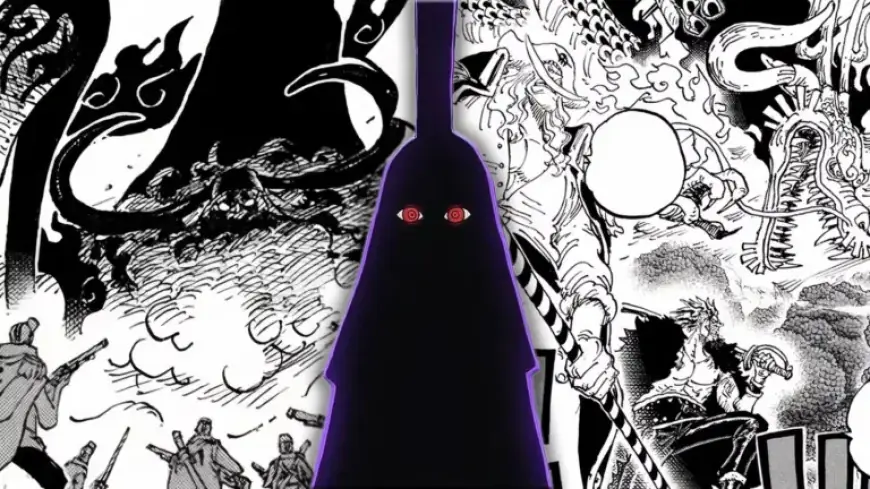
One Piece Chapter 1179 unveiled Imu’s face and historical background for the first time. The chapter identifies Imu’s power as the Akuma no Mi, a Devil Fruit unlike any seen before. The reveal sets Imu against the Straw Hats and the forces on Elbaph.
The Akuma no Mi and its display
Imu’s transformation in Chapter 1179 evokes a classical depiction of Satan. The figure appears surrounded by intense Conqueror’s Haki and altered, Awakened-like flames. The villain also wields a grimoire that generates formidable weapons, though other abilities overshadow it.
Covenants, ranks, and Domi Reversi
Imu enacts Covenants with selected individuals. These contracts bind the chosen and vary in power and control.
- Shallows Covenant offers no new abilities and places full risk on the Covenantee.
- Depths Covenant grants powers and deeper subservience to Imu.
- Abyssal Covenant provides the strongest bond and additional abilities.
Only thirteen Covenants reportedly exist. The Akuma no Mi’s Demon Covenant allows Imu to force enemies into servitude. That technique is called Domi Reversi. The result are devilized doppelgangers who obey Imu without honor. Imu used Domi Reversi multiple times during the Elbaph arc.
Immortality, teleportation, and other effects
The Akuma no Mi grants a form of “immortality” to Imu and chosen Covenantees. The Five Elders demonstrated flawless regeneration in the Egghead arc. Imu’s own survival during the God Valley Incident also points to long-term resilience.
The Devil Fruit enables an Abyss teleportation circle. This witchcraft-coded circle can beam people across distant locations. Those effects add unusual mobility to Imu’s arsenal.
Limits and counters observed so far
Imu did not appear invulnerable during the Elbaph confrontation. The transformation there looked weakened despite Imu’s confidence. Several practical counters emerged in recent chapters.
- Conqueror’s Haki at sufficient strength can disrupt Domi Reversi.
- Death appears to undo the Demon Covenant, as shown when Dorry and Brogy returned to normal.
- Chopper’s ordinary punches reverted devilized giants without fatal damage.
It remains unclear whether seawater or seastone affect Imu’s Devil Fruit. Limits on the number of Covenants and individual willpower resistance also create vulnerabilities.
Naming, language, and potential implications
The Devil Fruit name uses Akuma no Mi in a distinct way. Unlike most Devil Fruit names, Imu’s “akuma” is written in katakana rather than kanji. That choice has generated scholarly and fan discussion about its nuance and intent.
Some readers see the naming as a hint that this Akuma no Mi differs fundamentally from other Devil Fruits. The idea suggests the fruit could occupy an origin role in the wider Devil Fruit system.
Appearances across arcs and the anime
Key story beats reference the Akuma no Mi across multiple arcs. The Egghead arc displayed the Five Elders’ regeneration. The God Valley Incident references Imu’s past protection. The Elbaph arc showed Domi Reversi in action.
The anime highlighted Imu’s transformation during Sabo’s attack. One Piece as a franchise first aired on October 20, 1999, on Fuji TV. The series involves many directors and writers, and voices include Mayumi Tanaka and Kazuya Nakai.
This report focuses on explaining Imu’s Devil Fruit powers in One Piece for Filmogaz.com. The Akuma no Mi remains central to the story’s endgame, and many details still await confirmation.