

























Energy Prices Surge; Stock and Bond Markets Tumble Amid Iran War Fears

The ongoing conflict in the Middle East has triggered significant fluctuations in energy prices, particularly affecting both oil and natural gas markets. As fears surrounding escalating tensions in Iran mount, these commodities have surged, prompting various economic responses worldwide.
Energy Prices Surge Amid Iran War Concerns
Natural gas prices have risen sharply, with European benchmarks experiencing a striking 30% increase in morning trading. This surge follows a nearly 50% rise the previous day, largely driven by geopolitical tensions. The price of Brent crude also climbed, rising 5.6% to $82 a barrel—a two-day increase exceeding 10% and a yearly gain nearing 15%.
Market Reactions and Economic Implications
Economists warn that sustained high energy costs may lead to inflation, compelling central banks in the U.S., Canada, Britain, and the European Union to reconsider interest rate adjustments. Deutsche Bank noted that if energy prices remain elevated, it could slow down rate cuts initiated by the Bank of England.
- Brent crude: Up 5.6% to $82 per barrel.
- European gas price (TTF): Increased by approximately 30%.
- FTSE 100 Index: Declined by 2.5% in London trading.
- DAX: Dropped by 3.3%, affecting energy-intensive companies.
As energy prices escalate, stock markets in Europe have begun to reflect investor concerns. The FTSE 100 index, which heavily features oil and gas stocks, fell amid investor unease over the potential for a prolonged conflict. Germany’s DAX index also suffered due to its association with energy-heavy industries, like automotive and manufacturing.
Impact of the Strait of Hormuz on Global Supply
The Strait of Hormuz has become a critical factor influencing energy prices. This vital channel, measuring about 33 kilometers at its narrowest point, typically sees over a fifth of the world’s oil and gas transit through it. Currently, operations have come to a near standstill, with reports indicating that no liquefied natural gas (LNG) carriers have made their way through the strait since the start of the conflict. About 25 LNG vessels are reportedly anchored on either side due to heightened security concerns.
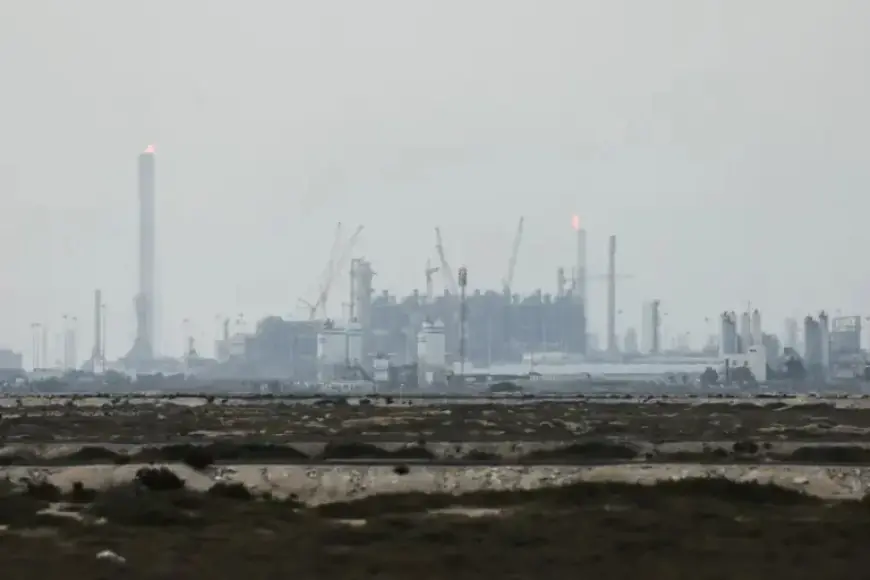
QatarEnergy, the largest LNG producer globally, halted production after its facilities were targeted by Iranian drone strikes. While the damage was deemed minor, the ongoing closure of shipping routes raises uncertainty about when operations can resume.
Escalating Violence and Humanitarian Concerns
The recent military actions have resulted in a significant loss of life. Reports indicate that over 500 Iranians have perished since the conflict reignited, including many children in southern Iran. The Israeli military has intensified its operations, targeting Hezbollah in Lebanon and enforcing evacuation orders in affected areas. Additionally, drone strikes aimed at U.S. facilities have exacerbated tensions, highlighting the volatile landscape.
In conclusion, the rising energy prices, impacted by the precarious situation in the Middle East, present a worrying outlook for global markets. Without a resolution in sight, economists predict continued volatility in energy costs and heightened economic repercussions worldwide.