























Ousmane Dieng: Back with starters and the quick answer the Bucks needed for their wing problem

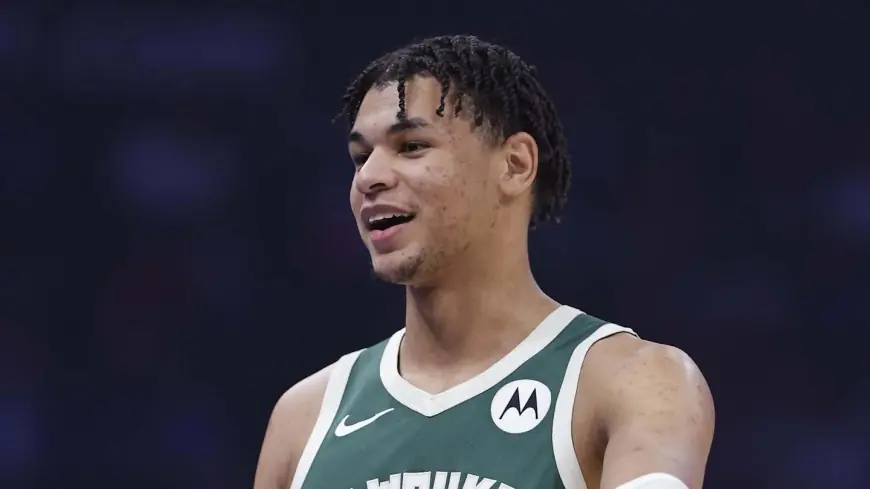
The shift matters because the Bucks’ starters and defensive identity could change immediately with ousmane dieng in the mix. He arrives with the size and athleticism to alter matchups, a defended field-goal mark that ranks near the team best, and a coach planning to use him at the three while the roster remains short-handed. What the team extracts from his tools will shape rotations down the stretch.
Ousmane Dieng and the immediate impact on the starting rotation
Here’s the part that matters: inserting Ousmane Dieng into the starting conversation is less about a one-game fix and more about plugging a persistent hole — a go-to wing defender the Bucks have rotated through for years. Dieng offers traits (height, length, athleticism) that create matchup problems for opponents and already shows a tangible effect in defended field-goal numbers: opponents are hitting just 41. 8 percent of shots when guarded by him, the second-best mark on the current roster.
Doc Rivers’ plan to deploy Dieng as a three addresses an immediate personnel strain: with AJ Green, normally a two-guard, forced into starting at small forward much of the season, the team needs a bigger, more disruptive presence at that spot. The coaching decision reframes how minutes are allocated and signals a willingness to accelerate Dieng’s role.
- Young, raw prospect with clear physical tools that translate to defensive versatility.
- Defended field-goal percentage sits at 41. 8% — second-best among current team defenders.
- Usage and minutes remain limited: he’s averaging just 18. 6 minutes per game, leaving upside if his role expands.
It’s easy to overlook, but Dieng spent four seasons on Oklahoma City’s bench before joining the Bucks; that history helps explain why he’s still classified as raw and why opportunity matters more than projection right now. If the team gives him consistent minutes in a starting role, the defensive curve could steepen quickly.
Role, numbers and what to expect as he settles into the lineup
The immediate event set is simple: Dieng was acquired at the NBA Trade Deadline, a coach intends to try him as a three, and the roster shortage at small forward has created the opening. He has expressed a desire to improve on defense and has displayed flashes since arriving, but playing background and current usage leave two clear constraints — development and opportunity.
Micro timeline (contextual):
- Sits on an NBA bench for four seasons prior to the move, which left him with limited in-game runway.
- Acquired at the Trade Deadline and has shown glimpses in limited minutes.
- Coaching staff plans to use him at the three while other guards fill starter gaps.
Coaches will be watching a handful of forward-looking signals to judge whether this is a rotation tweak or a real solution: does his minute total rise from ~18. 6 per game, does his defended impact remain around that 41. 8 percent mark against primary opponents, and can he sustain the physicality of starting matchups? The real question now is whether consistent minutes unlock the defensive growth he has signaled he wants.
- Immediate implication: starters get a bigger, lengthier on-ball option at the three.
- Groups affected: starting lineup chemistry and perimeter matchups, plus backup minutes if Dieng’s role expands.
- Next signals that would confirm a durable change: a clear minutes increase, sustained defended-field-goal numbers, and regular starts against primary wing threats.
What’s easy to miss is how much of Dieng’s upside depends on usage. The tools and early defensive results are promising, but translating them into a long-term answer depends on consistent opportunity, coaching alignment and on-court matchups. If those align, the roster problem that has lingered could start to look solved — but the path requires measurable minutes and follow-through from the staff.