

























Stephen Miller Warns: Iran Conflict May Persist Indefinitely

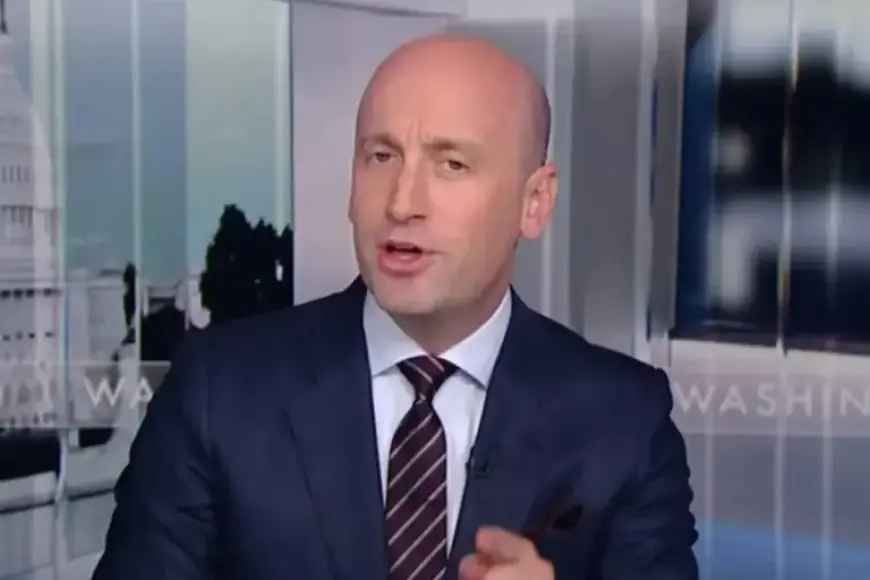
Stephen Miller warned the Iran conflict may persist indefinitely if Tehran refuses to meet U.S. demands. He spoke Wednesday evening on Fox News with host Sean Hannity. Miller framed a newly ordered naval blockade as a tool to squeeze Iran’s economy.
White House position and warnings
Miller serves as deputy chief of staff for policy and as a homeland security adviser. He described the U.S. as holding significant leverage in talks with Iran. He said Washington will press until the regime halts its nuclear enrichment program.
The White House emphasized that President Donald Trump seeks a peaceful, lasting outcome. Administration officials also said military and economic options remain on the table. Miller added that a sustained embargo could continue if Iran takes the wrong path.
Military posture and public threats
Defense Secretary Pete Hegseth echoed Miller’s remarks on Thursday morning. He urged Iran to “choose wisely” and referenced possible military steps. Officials did not rule out strikes against infrastructure if pressure fails.
Miller framed the U.S. military as strong and able to sustain pressure over time. He said the administration has multiple levers to compel Iranian concessions. Those comments reinforced earlier presidential statements that the campaign could be short, but not necessarily brief.
Blockade, sanctions and economic pressure
President Trump ordered a blockade of Iranian ports by Monday. The move aims to restrict oil exports and choke revenue streams. Treasury Secretary Scott Bessent said additional measures could include secondary sanctions on buyers of Iranian oil.
The administration says these steps are intended to push Iran back to negotiations. Officials argue economic isolation will raise the cost of continued escalation.
Diplomatic efforts and stalled talks
Initial U.S.-Iran negotiations recently ended without a deal. Tehran had proposed a 10-point plan that drew some positive comments from the president last week, who called it workable. A second round of talks is expected to take place in Pakistan, though no date is set.
Domestic reaction and public opinion
Rising oil prices and market volatility have increased public anxiety about the conflict. A Reuters/Ipsos poll from March found 66 percent of respondents want the U.S. to end the war even if administration goals remain unmet. Americans broadly favor a faster resolution.
Filmogaz.com will continue to monitor statements from the White House and developments at sea and in diplomacy.