

























Iranian Strikes on Key Sites Pull Reluctant Gulf Nations into Conflict

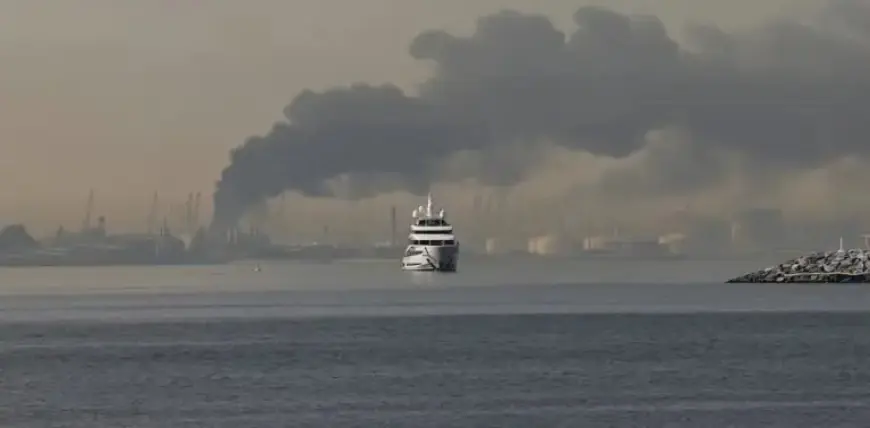
The recent Iranian strikes on key sites have drawn Gulf nations into a conflict they had long tried to avoid. Since the outset of the U.S. operations against Iran, all six members of the Gulf Cooperation Council (GCC) have experienced retaliatory attacks. These strikes specifically targeted military installations throughout Bahrain, Kuwait, Oman, Qatar, Saudi Arabia, and the United Arab Emirates. Notably, Iran also directed its missiles and drones toward civilian infrastructure, including airports and hotels.
Iran’s Widening Conflict and Gulf Nations’ Response
This escalation marks a significant shift in Iran’s approach compared to its responses during previous conflicts, such as the brief war of June 2025. Initially, Iran’s reaction was limited, impacting a single base in Qatar. However, the current conflict has unleashed a barrage of attacks, with at least 390 ballistic missiles and 830 drones launched at Gulf states in the initial days.
Gulf Cooperation Council Nations Under Fire
- Bahrain: Airports targeted
- Kuwait: Airports targeted
- UAE: Airports in Dubai and Abu Dhabi struck
- Saudi Arabia: Oil facilities under threat
- Qatar: Military installations and airports attacked
The psychological impact of these attacks is significant. Key Gulf cities like Dubai, Abu Dhabi, and Doha, which have marketed themselves as stable havens for business and tourism, face a tarnished reputation. The attacks on civilian targets challenge the image of safety that these nations have cultivated.
The Strategic Intent of Iranian Attacks
Iran’s strategy seems designed to exert pressure on Gulf leaders and the U.S. by escalating conflict. This situation is compounded by Iran’s lack of capability to strike the U.S. mainland directly, which makes American military bases within the Gulf more vulnerable.
Potential Targets and Escalation Risks
There are growing concerns that further escalation could involve threats to critical infrastructure, including desalination plants in the region. These facilities are vital for addressing water scarcity, making them crucial targets for any strategic military action by Iran.
Impact on Global Stability and Economic Disruption
The implications of these assaults go beyond regional instability. Key transport hubs, including Dubai International Airport, the busiest in the world for international travel, have faced disruptions. The strikes have caused airspace closures over several Gulf nations, stranding tens of thousands of travelers.
Supply chains have also been jeopardized, with significant impacts reported in cargo operations. The Strait of Hormuz, a critical passage for international trade, has seen interruptions as well, escalating the anxiety surrounding global economic stability.
Future Implications for Gulf Cooperation Council
Historically, the region has faced perilous situations, like the Gulf crisis of 1990-91. Today’s context is marked by uncertainty as Gulf nations weigh their strategic calculations. By intensifying military actions, Iran aims to alter the economic calculus, potentially incentivizing Gulf leaders to seek a resolution.
However, the risk remains that such actions could further alienate these nations from Iran, strengthening their ties with the U.S. and complicating future diplomacy. As the situation unfolds, the geopolitical landscape of the Middle East may experience profound changes driven by Iran’s actions.