

























Gulf States Vow Retaliation Against Continued Iranian Attacks in Region

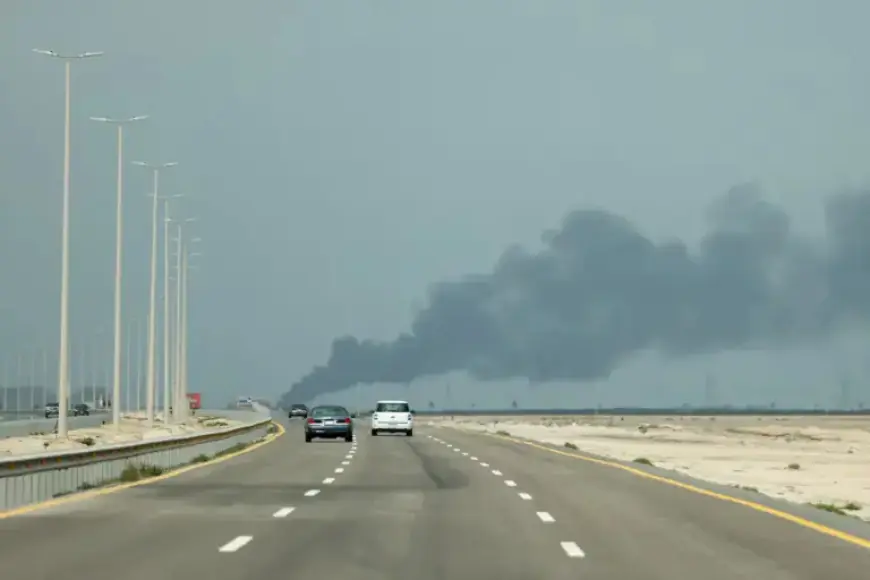
The Gulf Cooperation Council (GCC) has issued a strong warning against ongoing Iranian attacks in the region. These drone and missile strikes have been a source of increasing tension, with the risk of escalating into full-scale war. The GCC members include Saudi Arabia, the United Arab Emirates (UAE), Kuwait, Qatar, Bahrain, and Oman.
Gulf States’ Commitment to Security
In a recent joint statement, the GCC emphasized their commitment to take “all necessary measures” to safeguard their territorial integrity. The states labeled the Iranian actions as “heinous” and “treacherous,” asserting their right to retaliate.
- Member States: Saudi Arabia, UAE, Kuwait, Qatar, Bahrain, Oman
- Nature of Attacks: Drone and missile strikes targeting critical infrastructure
- Response: GCC states vow to defend their territories against Iranian aggression
Retaliation Preparedness
Majed al-Ansari, spokesperson for Qatar’s Foreign Affairs Ministry, stressed the need for a decisive response to these attacks. He indicated that the persistent aggression from Iran cannot be ignored, emphasizing that a suitable price must be paid for the assaults on their citizens.
Despite the threats, many expatriates in the UAE report feeling safe. Saudi Arabia has summoned the Iranian ambassador following a recent attack on its oil refinery.
Regional Dynamics Amidst Conflict
Political experts suggest that Saudi Arabia is cautious about escalating into a broader conflict. There is a recognition of red lines that, if crossed by Iran, will prompt a military response.
Iran’s Foreign Minister, Abbas Aragchi, has denied targeting the Gulf nations, claiming the attacks are directed towards U.S. military presence in the region. He stressed that grievances should be directed at U.S. decision-makers rather than neighboring countries.
Bahrain’s Delicate Situation
Bahrain, which has a majority Shia population, faces heightened anxiety due to sectarian tensions. The government acts quickly to suppress demonstrations that might signal unrest while balancing public safety concerns.
Food security remains a significant issue for Bahrain. With only one land crossing with Saudi Arabia, any disruptions could have severe consequences for its citizens.
Complicated Relationships Among Gulf States
While the GCC presents a united front against Iran, historical tensions occasionally surface. From 2017 until 2021, the UAE and Saudi Arabia imposed a blockade on Qatar, based on allegations of supporting terrorism.
Global political dynamics further complicate the situation. In 2019, diplomatic ties between Iran and the UAE were severed after an attack on the Saudi embassy in Tehran. These ties were restored gradually, signaling a cautious approach towards Iran.
Future Outlook and Regional Cooperation
As Iranian missile attacks continue, GCC states may need to work cohesively to establish a deterrent against further aggression. Experts agree that the focus should be on enhancing defense capabilities while pressuring international actors, such as the U.S. and Israel, for a diplomatic resolution.
The region remains on high alert, and while the presence of Israeli and U.S. military operations adds complexity, the Gulf states must navigate this delicate landscape carefully.