

























Do Crash Diets Ruin Your Skin? Discover Risks to Tone and Texture

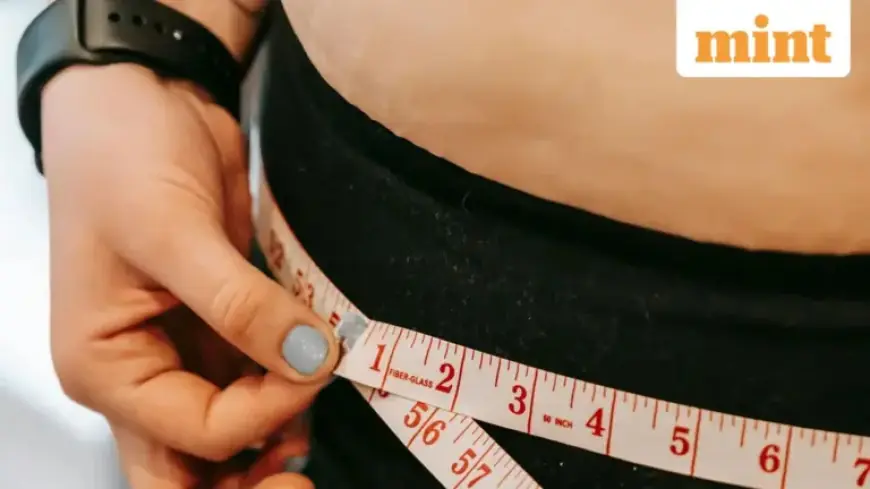
Crash diets have gained popularity due to the allure of rapid weight loss. Many individuals are lured in by the promise of quick results, often showcased through social media or celebrity endorsements. However, these extreme diets can have detrimental effects on health and skin.
Impacts of Crash Dieting on Skin Health
The skin, being the body’s largest organ, often reflects internal health and nutrition. Rapid weight loss can lead to noticeable stress on the skin. This can manifest as dryness, premature aging, and a loss of texture.
Nutritional Deficiencies
- Crash dieting often involves a significant decrease in essential nutrients.
- Protein intake, crucial for collagen production, typically suffers during these diets.
- This reduction can lead to loose, dry skin, and diminished elasticity.
Dr. Shweta Nakhwa, a Consultant Dermatologist, emphasizes that skin requires regular nourishment for health and glow. Without sufficient protein and healthy fats, skin can begin to lose its firmness.
Consequences of Low Caloric Intake
When calorie consumption drops sharply, skin repair processes can slow down. This leads to decreased collagen production, resulting in sagging skin and fine lines. Furthermore, deficiencies in vital micronutrients such as iron, zinc, and vitamins can contribute to dullness, uneven pigmentation, and increased hair loss.
Hormonal and Physical Effects
Crash diets induce stress responses in the body. High cortisol levels can cause increased oil production, leading to acne. Dehydration from inadequate fluid intake can render skin tight and flaky.
Long-Term Skin Appearance
Rapid weight loss can alter facial structure, causing a hollow appearance and emphasizing age-related features. Dr. Honey Savla explains that quick fat loss may make individuals look older, as the skin lacks the time to adjust.
Understanding Healthy Weight Loss Strategies
- Gradual weight loss is preferable for skin preservation.
- A balanced diet inclusive of proteins, healthy fats, and vitamins is essential.
- Staying hydrated, getting sufficient sleep, and engaging in strength training can enhance skin elasticity.
Experts advocate for a medically supervised approach to weight loss, ensuring both metabolic health and skin vitality are maintained.
In conclusion, the draw of crash diets for quick results can severely compromise skin health. A gradual and balanced approach to weight loss is vital for achieving both physical health and lasting skin integrity.