

























Will Gulf States Join War After Iran’s Strikes Hit Skylines?

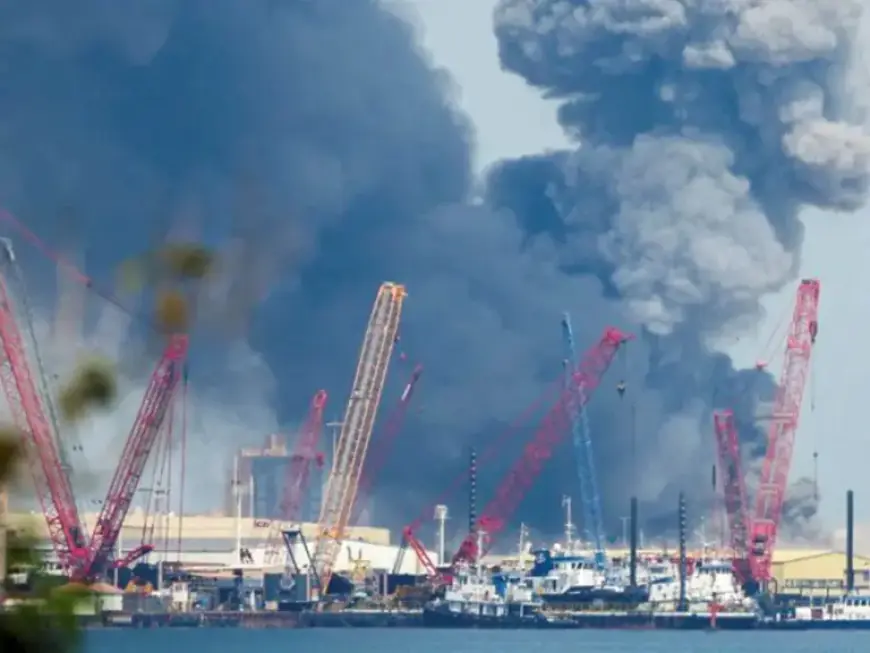
The recent missile strikes by Iran on various Gulf capitals have severely impacted the image of the Gulf states. These nations, often viewed as bastions of stability, now face pressure to respond. The attacks have altered their geopolitical landscape significantly, presenting them with challenging choices.
Context of the Attacks
The Iranian missile launches were a retaliation against a major U.S.-Israeli military operation that resulted in the deaths of key Iranian leaders. This operation triggered a series of retaliatory strikes across the Gulf, directly affecting cities like Dubai, Manama, and Doha.
- Missiles hit landmark buildings and critical infrastructure.
- Casualties included at least three fatalities in the UAE, with many injuries reported across the region.
- Injuries were noted in Qatar (16), Oman (5), Kuwait (32), and Bahrain (4).
Regional Responses
In light of these developments, Gulf Cooperation Council (GCC) members are considering their options. Sheikh Hamad bin Jassim bin Jaber Al Thani, former prime minister of Qatar, emphasized the need for the Gulf states to avoid direct confrontation with Iran. Others share this sentiment, arguing that engaging in conflict may align them closely with Israel, a position they wish to avoid.
Faisal Al-Mudahka, editor-in-chief of Gulf Times, stated, “This is Israel and the U.S.’s war”, a perspective resonating across the region. The Gulf states are focused on maintaining prosperity and security instead of becoming embroiled in wider conflicts.
The Dilemma Ahead
Despite their desire for neutrality, analysts indicate the Gulf states may face an urgent crisis. A passive stance while cities burn could undermine their legitimacy and alter public perception. Political leaders must find a balance between appearing weak and risking further military involvement.
Potential Military Actions
Experts believe that any military response from the Gulf might be self-directed rather than coordinated with U.S. or Israeli forces. They may initiate their operations under the Gulf’s Peninsula Shield Force, which was formed to provide collective security within the GCC.
Concerns for Infrastructure
Another area of pressing concern is critical infrastructure protection. Strikes on power grids and water resources could render the Gulf region uninhabitable. As global energy markets are intertwined with Gulf stability, any disruption could have far-reaching implications.
- 16% of the world’s energy supply originates from Qatar.
- 33% of global oil traffic passes through the Strait of Hormuz.
Reputation at Stake
Reputation is a significant concern for Gulf leaders. The Gulf states have established themselves as safe havens for investment and tourism. Extended conflict could jeopardize this image, making it essential for leaders to maintain their region’s reputation while navigating this crisis.
Future Landscape of Middle Eastern Security
As the situation evolves, analysts note a shift in how Gulf states assess threats. Historically focused on non-state actors, the recent escalation has pushed state-on-state conflict into the foreground. The Gulf must recalibrate its security strategies to address this new reality, potentially re-evaluating its perceptions of regional powers like Iran and Israel.
Whether or not Iran adopts a more measured approach in its retaliatory strategy could determine the Gulf’s next steps. For now, the prospect of joining a conflict they did not seek remains a critical concern, with leaders striving to safeguard their territorial integrity and sovereignty amidst escalating tensions.