

























Is Today A Full Moon? Waxing Gibbous on Feb. 27 and First Quarter on Feb. 24

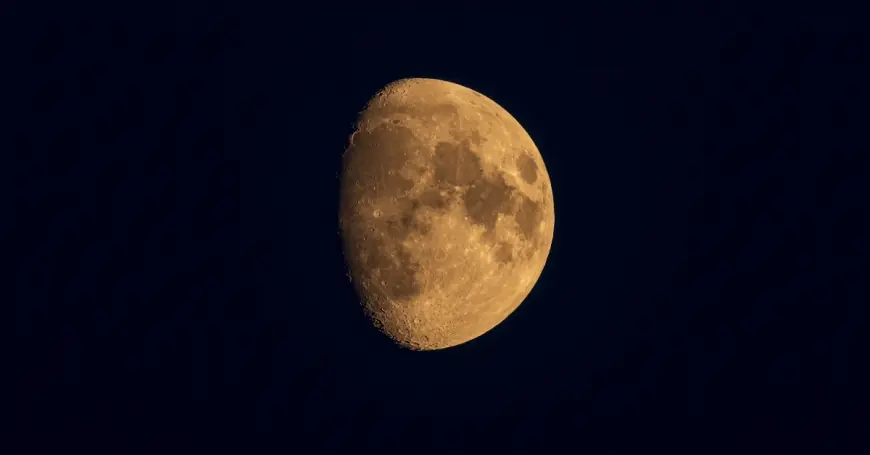
Wondering is today a full moon? On Feb. 27 the moon is a waxing gibbous about 83% illuminated in the water sign Cancer, so it is not yet at 100% full.
Is Today A Full Moon — quick skywatching answer
The short answer for skywatchers: is today a full moon is a question best answered with dates. On Feb. 24 the moon reached first quarter and showed its right half lit; by Feb. 27 it had moved into the waxing gibbous phase and was roughly 83% illuminated, growing toward a full moon at 100% illumination.
Half-lit first quarter: see the shadows of lunar mountains
On Feb. 24 the half-lit moon cast dramatic shadows along the terminator, making mountain peaks and crater rims stand out. Look roughly 10 degrees lower right to find the Pleiades and about the same distance lower left for the Hyades, with the red star Aldebaran near the Hyades. Jupiter was visible farther west among the stars of Gemini, while Sirius shone in Canis Major with Orion positioned between Sirius and the moon on that evening.
Through 10X50 binoculars the contrast of dark basaltic maria against the sunlit disk becomes more obvious; a 6-inch telescope can reveal crater detail along the terminator. Sweep the terminator to find a string of three large impacts: Ptolemaeus, a 95-mile-wide (153-kilometer) walled plain, followed by Alphonsus and Arzachel. Further south along the day–night line are Purbach, Regiomontanus and Walther, where broken ridges and towering central peaks cast triangular shadows across their basins.
Five ways the waxing gibbous in Cancer may show up for you
On Feb. 27 the moon was in its waxing gibbous phase, the fourth phase of the lunar cycle that comes between the first quarter and the full moon. This week-long phase carries a push of momentum and persistence: people may feel more inspired to push toward goals and take advantage of high energy for activities such as fitness.
When the moon sits in Cancer, the sign often linked with sensitivity and nurture, emotions can feel heightened. Old wounds might resurface and create moments that call for forgiveness rather than carrying resentment. The waxing gibbous also leans social for some — it can pull attention toward community and the people who make you feel seen.
The waxing gibbous is still climbing toward full illumination, and observers can use that increasing light to track features on the lunar surface as shadows shift each night.
For those asking now whether the sky shows a full moon, keep in mind the sequence: first quarter on Feb. 24, waxing gibbous at about 83% on Feb. 27, and the moon continues to grow toward full illumination.
Expect the waxing gibbous to rise in the east in mid-afternoon and to be high in the eastern sky at sunset as it advances toward a full moon at 100% illumination; that progression is the next confirmed milestone for skywatchers following the Feb. 24 first quarter and the Feb. 27 waxing gibbous.