























Diego Garcia dispute threatens to reshape Chagos bill timetable and US operational guarantees

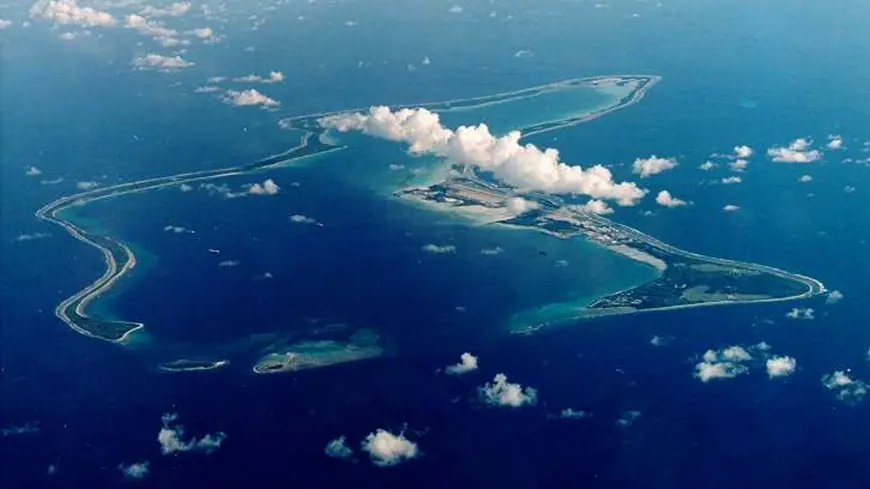
The UK withholding permission for US use of military bases has become a live choke point for the Chagos Islands agreement and could change what happens next in parliament and on operational access. The dispute centers on diego garcia and RAF Fairford, where disagreement over whether US forces would be allowed to launch strikes on Iran has prompted fresh public pushback from the US president and delays to the bill’s progress — with a parliamentary deadline in May now in play.
Diego Garcia and the immediate consequences for the Chagos agreement
Here’s the part that matters: US objections tied to limits on base use have directly fed a political row that threatens the legislative timeline. The British government has not given permission for the US to use UK military bases to support potential US strikes on Iran. That withheld permission is understood to have prompted the US president’s latest public criticism of the deal to cede sovereignty of the Chagos Islands to Mauritius while keeping a long-term UK lease and joint base access.
A government spokesperson has declined to comment on operational matters and emphasised that a political process between the US and Iran is ongoing; the UK’s priority is regional security and preventing Iran from developing a nuclear weapon. The US has been pressing Iran to curb its nuclear programme, has threatened possible strikes, and has moved warships, aircraft and other military assets to the region in preparation for a possible strike. At the same time, some progress has been reported at talks between American and Iranian negotiators in Switzerland.
How the sequence unfolded, in brief
Sir Keir Starmer spoke to the US president on Tuesday, after the US government had given formal support for the Chagos deal. The president then criticised the arrangement publicly the following day, linking the transfer and leaseback plan to US operational options against Iran. The president has shifted position multiple times: he criticised the plan in January, later signalled support after a phone call on 5 February, and had backed the deal at an earlier point last year.
In his social media post, the president named Diego Garcia and RAF Fairford in the context of potential action, and observers note that Pentagon preparations for possible strikes — which could potentially be launched from Diego Garcia — may have altered the administration’s view of the island’s strategic significance. Neither RAF Fairford nor Diego Garcia were used in the US strikes on Iran’s nuclear facilities last year; at that time, Washington had not sought UK permission. RAF Fairford and other UK military bases were most recently used by US forces in support of an operation to seize a registered tanker known as Bella 1 earlier this year.
Compact timeline of key moves
- Last year: the president had previously backed the Chagos arrangement.
- January: the president publicly criticised the plan.
- 5 February: a phone call followed by a signal of support for the deal.
- Tuesday: the US government gave formal backing for the agreement again; Sir Keir spoke with the president that day.
- Next day: the president renewed his public opposition, tying the deal to operational access to Diego Garcia and Fairford; the bill’s return to the Lords has been delayed and is not expected for several weeks.
The real question now is whether the president will change his stance again before the parliamentary deadline; if the bill is not passed before the end of the current session in May, it would need to be reintroduced.
Political reactions and pressure points
Domestic politics have hardened. Conservatives are pushing the US administration to oppose the plan, while Downing Street says the agreement can only proceed with US buy-in. Senior figures continue to press the case in Washington: the shadow foreign secretary is due to give a speech in Washington DC next week and is expected to hold talks with US officials about the Chagos plan.
One former government official who worked on the deal, Ben Judah — until recently a special adviser to David Lammy — said he was concerned the agreement might be scuppered. A prominent shadow cabinet figure has described the deal as "now dead in the water" and warned Labour might soon run out of time to bring the bill before parliament.
The government has defended the arrangement, arguing that securing the joint military base on Diego Garcia is crucial to UK and allied security and is the only way to guarantee the long-term future of that base.
Operational realities and legal constraints
US bases in the UK, such as RAF Fairford in Gloucestershire, are used for military operations only when the UK government grants permission and their use is judged to be lawful under UK interpretation of international law; a pre-emptive strike on Iran would be unlikely to fit that interpretation. The president’s social media post also referenced a "100 Year Lease" critique even as the formal arrangement with Mauritius and the UK is described in government materials as a 99-year lease for the island base.
Insiders point to Pentagon preparations for possible strikes — and the presence of warships, aircraft and other assets in the region — as factors shaping the administration’s assessment of Diego Garcia’s role. What’s easy to miss is how closely operational access and parliamentary timing are now linked: a dispute over base use has become a trigger for political uncertainty back in Westminster.
The situation remains fluid and details may evolve as the bill moves — or stalls — in the weeks ahead.