






















Punch Monkey: How a Plush Djungelskog Became a Viral Comfort for an Abandoned Japanese Monkey and Set Off a Buying Frenzy

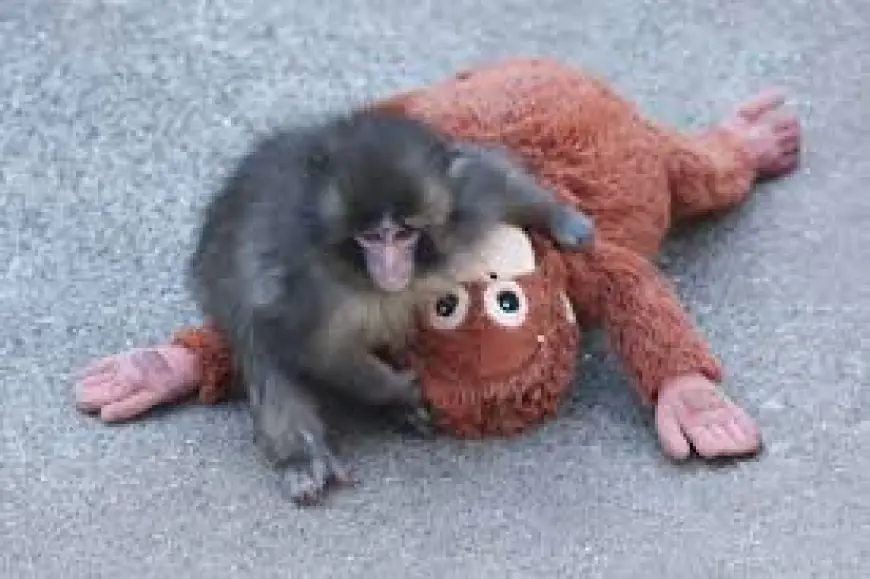
Punch Monkey has become a shorthand for a brief, strange moment: an abandoned baby monkey clinging to a large plush orangutan and prompting a surge of public interest. The plush toy at the centre of the attention is the Ikea Djungelskog, and the shockwaves are visible in sold-out stores, dramatic sales spikes and personal pilgrimages to pick up one of the stuffed animals. Observers warn that anthropomorphism can’t reveal what a wild animal actually feels, even as the images drive behavior and demand.
Punch Monkey and the Djungelskog phenomenon
The animal at the heart of the story is an abandoned baby monkey named Punch who has gone viral, prompting many people online to connect his attachment to a plush orangutan with comfort. The toy in question is the large Djungelskog plush sold by Ikea. The fascination has spread quickly; the plush has become nearly as famous as the animal, with public attention described as unprecedented by retail staff.
What happened at the zoo
Punch has been described as an abandoned baby at a Japanese zoo. Zookeepers gave him a plush orangutan, which he grips tightly like a life raft. Observers note that without that plush, Punch would have been alone and unloved, spending days avoiding being dragged and chased by older Japanese macaques inside his enclosure. The wider point raised in commentary is that images of Punch with the toy invite anthropomorphic readings, but those readings don’t tell us what a wild animal is truly experiencing.
Retail ripple effects for Djungelskog
The viral attention translated quickly into retail movement. Listings of Djungelskog on an online marketplace rose sharply between January and February, increasing by 650%, with asking prices observed in a range between $33 and $175. In addition, Ikea Australia experienced a marked uptick: a spokesperson described a more than 200% increase in sales of the Djungelskog in the past week, with over 990 units purchased across Australian stores and online during that period. That surge has left some stores sold out.
The human reaction: queues, flights and a personal experiment
One first-person account captures the real-life ripple: a shopper stood in line at Ikea’s click-and-collect service to pick up a large plush orangutan after nearly 24 hours of travel and a series of flight delays, making this stop the last before collapsing at home. The shopper said the journey was driven by the desire to secure the toy people on the internet believe brought comfort to Punch, and described the scene as feeling like "Moo Deng 2. 0, but sadder, " because Punch has not been embraced by his peers.
After rushing from an airport to collect a preordered Djungelskog, the shopper found the item sold out at the front desk and was told it would be back in stock the next day. Returning early the following morning, a staff member brought the plush to the car. The employee explained that many customers had bought the toy, that stores had sold out the previous day and that she herself had been prompted to buy one after seeing the viral videos of Punch. Once in possession of the Djungelskog, the shopper described an unexpected calm, noting the toy’s haunting, large eyes and even taking it to work, gently introducing it to colleagues and bringing it into an elevator as part of a lighthearted experiment in comfort.
Context and a small oddity in the provided material
In the additional item provided with the context for this story, the text displayed a browser-support message urging readers to upgrade their browser for a better experience; no further editorial content was available in that item. This technical note appeared alongside the more detailed first-person and retail coverage of the Djungelskog and Punch.
What to take away
The Punch Monkey moment is both a cautionary tale about reading human emotions into animal behaviour and an example of how a viral image can produce immediate commercial and cultural effects. The Djungelskog plush has become a totem for that moment: a symbol of comfort for some, a retail phenomenon for others, and a reminder that public fascination can reshape demand overnight. Observers stress that while the images are striking, they do not provide a full window into what Punch is feeling, and the facts around the situation remain focused on observable behaviour and market responses rather than inner states.