

























Gold Price Nears $5,300 as Investors Flock to Bars and Analysts Warn of Risks

The gold price has surged again, with investors flocking to the metal as prices approach $5, 300 an ounce. That rush matters now because analysts and market watchers are flagging practical risks—premiums, storage and the dollar link—that could complicate what many are treating as a safe-haven bet.
Gold Price Approaching $5, 300 on Feb. 27, 2026, after a year of unexpected gains
As of February 27, 2026, gold prices are approaching $5, 300 an ounce, the latest peak in a year that has seen the precious metal climb to levels many seasoned market watchers could hardly have predicted. Investors have been flocking to gold in large numbers as demand has widened beyond traditional buyers.
Persistent inflation, central bank accumulation and appetite for stability are driving demand
Three concrete forces are cited for the run-up: persistent inflation, aggressive central bank accumulation, and a widespread appetite for stability amid market volatility. Those factors have combined to push more investors toward tangible assets at a time when markets are otherwise unsettled.
Mainstream adoption: gold bars at the center of the surge
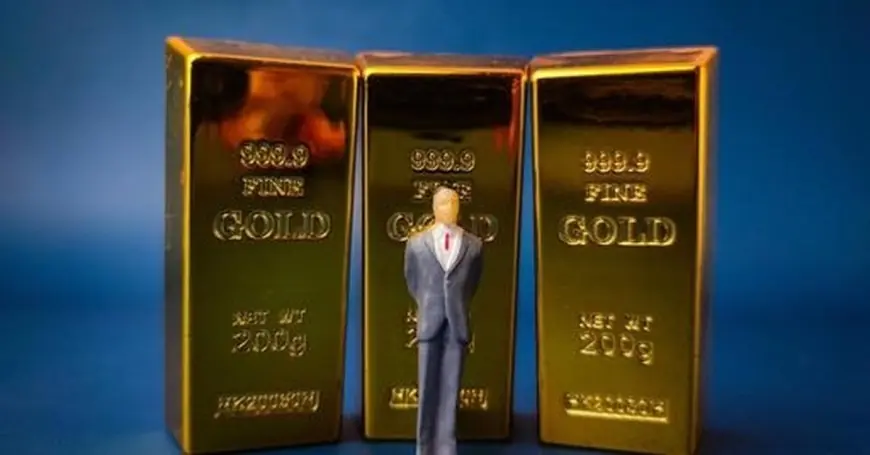
What was once a niche investment has now become mainstream, with physical gold bars at the center of this surge in demand. The metal’s physical appeal is frequently noted: gold bars, unlike many financial assets, do not rust, corrode, or expire, a permanence that attracts buyers seeking a tangible store of value.
Practical downsides: premiums, variable minting and dealer spreads
Buying physical metal carries clear costs. Investors typically pay a premium above the spot price, and those premiums vary depending on the size of the bar, the mint and the dealer. That means the spot price must move higher just for a buyer to break even; if someone purchases during a period of high premiums and the market cools, they can find themselves underwater before broader price moves occur.
Storage, security and the dollar link complicate the shelter thesis
Physical gold requires a secure home safe, a bank vault or a third-party depository, and those storage solutions come with ongoing costs that quietly erode returns in ways that do not show up on a simple price chart. The metal’s price is also inextricably linked to the U. S. dollar: when the dollar strengthens, gold’s value in dollar terms can fall even if nothing about the metal itself has changed. That linkage means investors who buy at a peak and later sell during a dollar rally can register real losses on paper. In a true financial crisis—often the scenario in which buyers hope gold will shine—selling physical bars quickly and at a fair price can prove difficult, as dealers may widen spreads and buyers may grow cautious, so the theoretical value of holdings does not always translate into cash in hand.
Analyst outlook: AG Thorson’s "Big Picture Gold Update" forecasts farther targets
An analysis led by registered CMT and technical analyst AG Thorson, presented in a "Big Picture Gold Update, " suggests the rally may be far from over and forecasts a move toward $8, 000 an ounce and beyond. Even as that bullish projection is floated, experts continue to warn of unpredictable market swings and the specific practical risks tied to physical ownership and dollar strength.
The recent run — driven by inflation, central bank buying and demand for safety — has turned gold from a niche holding into a mainstream asset, but the path ahead remains marked by premiums, storage costs and exchange-rate dynamics that could temper returns for those who enter at the top of the current rally.