
























Spain Refuses US Use of Rota and Morón; US Aircraft Depart After Madrid’s Condemnation

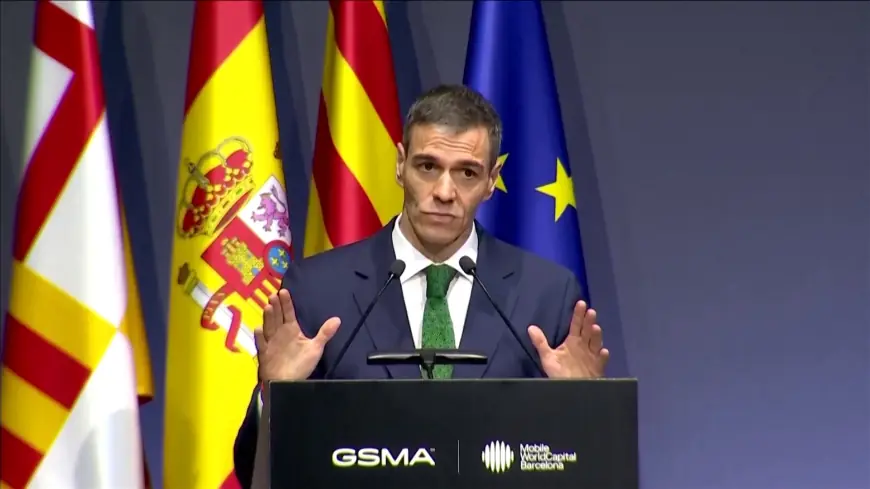
Spain has denied permission for the United States to use jointly operated bases on its territory to carry out strikes on Iran, and that decision coincided with US aircraft leaving those facilities. The move follows a public denunciation of the US-Israeli military action by Prime Minister Pedro Sánchez and signals an immediate operational impact at Spanish-run installations.
Spain blocks Rota and Morón for Iran strikes
The Spanish government made clear that the bases at Rota and Morón are not available for operations linked to the US-Israel attacks on Iran. Foreign Minister José Manuel Albares stated the deny was rooted in the terms of the bilateral agreements governing the facilities and international law, stressing the bases would not be used for actions beyond those pacts or those covered by the UN charter. Defence Minister Margarita Robles reinforced that neither base had been used in the recent military operation and emphasized that any operations must comply with international legal frameworks and have international support.
The government's refusal followed public remarks from Prime Minister Pedro Sánchez condemning the US-Israel offensive as an unjustified intervention, framing the strikes as contributing to a more hostile and uncertain international order. Those remarks were reiterated in speeches by the prime minister, underlining Spain’s stance that opposing a repressive regime can coexist with opposing what it calls unlawful military action.
US aircraft leave Rota and Morón; Ramstein seen as destination
Flight-tracking maps showed 15 US aircraft departed Rota and Morón after the strikes began. At least seven of those planes were tracked landing at Ramstein airbase in Germany. US defence officials declined to comment on the departures, but the timing of the movements followed the Spanish government’s public statements and its refusal to permit the bases’ use for the ongoing attacks.
The direct cause-and-effect is clear: Madrid’s explicit prohibition on using the facilities for strikes targeting Iran was followed by a measurable reduction in US air activity at the two bases. That operational shift demonstrates how diplomatic and legal objections from a host government can produce near-immediate logistical consequences for partnered forces.
Pedro Sánchez’s condemnation and ministerial direction
Prime Minister Pedro Sánchez characterized the US and Israeli action as a unilateral military intervention that undermines international law. He warned the offensive was destabilizing and urged a political solution. Those public condemnations were matched by actions from his ministers: Albares framed the denial around the boxes of bilateral agreements and the UN charter, while Robles outlined the defense ministry’s interpretation that operations from the bases must enjoy international legitimacy.
What makes this notable is the rapid translation of political disapproval into concrete operational outcomes at bases that are jointly operated, exposing tensions between allied military objectives and the legal and political constraints of host nations. The decision has immediate logistical effects—measured in aircraft movements—and raises questions about how allied forces will coordinate access to forward basing in the near term.
Spain’s stance stands out in recent European responses to the strikes: the government’s refusal to permit use of the two bases is both an official diplomatic rebuke and a practical impediment to continued US operations from those facilities. The departure of 15 aircraft, including at least seven that relocated to Germany, represents a quantifiable impact on force posture tied directly to Madrid’s directive.