






















Raf Fairford to be offered for US strikes as Starmer insists use will be ‘specific and limited’

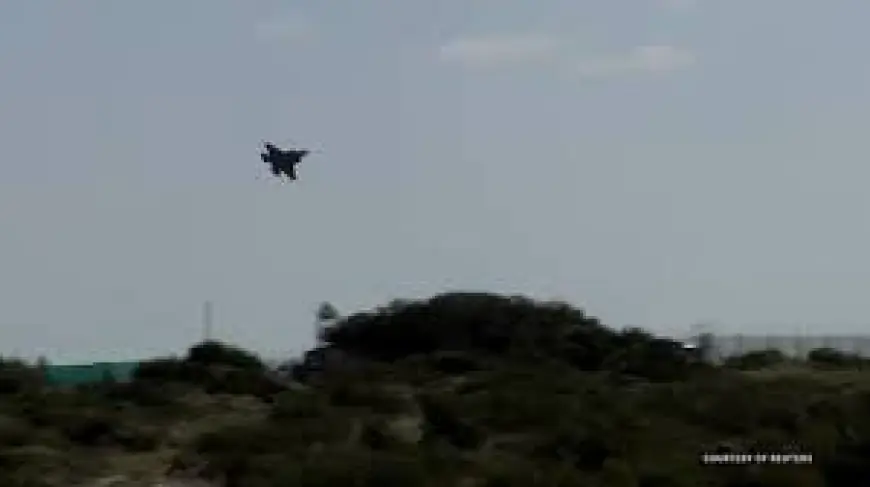
The prime minister confirmed the UK will allow US forces to use British military bases, including Raf Fairford, for what he described as a limited, defensive campaign to destroy Iranian missile sites — a move framed as collective self-defence but already generating political and legal controversy.
Raf Fairford and Diego Garcia named as likely bases
The US is likely to make use of RAF Fairford in Gloucestershire and Diego Garcia in the Indian Ocean for strikes on Iranian missile sites. The prime minister said the bases would be used for the specific and limited defensive purpose of destroying missiles "at source" and stressed the decision was taken to protect British lives as an act of collective self-defence.
How the government frames the legal and strategic case
The prime minister said the decision follows lessons learned from the "mistakes of Iraq" and insisted the UK was not involved in the initial strikes on Iran and "will not join offensive action now. " He added the move was in accordance with international law and that the government had published a summary of its legal advice. The attorney general has warned the strikes are in breach of international law, creating a sharp legal tension around the policy.
Immediate security incident: RAF Akrotiri hit by drone
A British RAF base in Cyprus, RAF Akrotiri, was struck by a drone on Sunday night with no casualties. The attack happened at around midnight local time (22: 00 GMT) and caused what the Ministry of Defence described as "minimal damage. " Investigations are under way to establish where the drone was fired from.
Domestic political fallout and criticism
The prime minister's office said Iran striking British interests had prompted the change of position and described the UK and the US as "staunch allies. " The decision has prompted sharp party-line reactions. The Conservative leader accused the government of being "too scared" to take a stronger stance because some Labour voters were "swayed by conflicts in the Middle East, not the British national interest, " adding that ministers "squirm and obfuscate in interviews. "
The Liberal Democrat leader demanded that MPs be given a say and warned the UK "must not be complicit in illegal military action. " The Green party's Zack Polanski called the strikes on Iran illegal, and Liberal Democrats urged the prime minister to stand up to what they called bullying tactics.
Starmer’s diplomatic dilemma and longer-term political context
The prime minister now finds himself in a diplomatically precarious position: declining to endorse the US strikes while also refusing to condemn them. That fence-sitting posture follows a longer strategy of cultivating a close relationship with the US president. Starmer’s team secured a two-hour first meeting with him in New York 18 months ago; one aide celebrated when the then Republican presidential candidate described Starmer as "very nice" and "popular. "
Observers point to a broader strain in the "special relationship" after recent decisions including the surrender of sovereignty over the Chagos Islands and the refusal of some European countries to back a US proposal over Greenland. The prime minister has previously said the "special relationship" with the US "sits above whoever holds the particular office. " It is unclear in the provided context how that declaration will translate into policy going forward.
Political signals, legal caution and what comes next
Defence ministers have signalled reluctance to moralise about the US action: the defence secretary struggled to express a moral or legal view when repeatedly pressed, saying only that the government "will not mourn the ayatollah" whose regime has "menaced" western countries. At the same time, some allies — including Canada and Australia — have expressed support for the strikes. The US president has said the UK move "took far too long" and that he was "disappointed" in the prime minister’s level of support, while also suggesting the delay "probably never happened between our countries before" and that the prime minister had been "worried about the legality. "
Last month the British government had not given permission for US forces to use UK military bases to support potential strikes on Iran. The US president has said it "may be necessary" to use RAF Fairford and Diego Garcia should Iran "decide not to make a deal. " Campaigning and public opinion considerations are already feeding into party dynamics: the Gorton and Denton by-election saw Labour lose a huge majority, with anger over the prime minister's slowness to criticise Israel on Gaza cited as a factor in the drop in support.
Investigations into the Cypriot base attack continue and legal and parliamentary challenges look likely. Recent updates indicate this story is evolving and details may change as inquiries and further decisions proceed.