
























Cyprus News: Drone Incidents at RAF Akrotiri Intensify Safety and Displacement Concerns for Base, Residents and Regional Operations

The immediate human toll falls on base personnel, nearby villagers and travellers: cyprus news coverage now centres on rapid dispersals, shelter orders and cancelled flights after a drone strike hit RAF Akrotiri overnight and two further unmanned aerial vehicles were intercepted while heading toward the base. Families, non-essential staff and airport users were moved or warned as authorities scrambled to reduce risk.
Cyprus News — Who is affected and how the region is responding
Residents of the village next to RAF Akrotiri, base employees and family members were the first to feel the impact: non-essential personnel were being dispersed from the base, family members were to be moved to alternative accommodation as a precaution, and employees received emergency warnings telling them to shelter indoors and avoid windows. Local airports activated alarms and evacuation procedures that also disrupted travel.
It’s easy to overlook, but these measures show authorities treating the situation as a sustained security episode rather than an isolated incident; the disruption to everyday life — from temporary relocations to airline cancellations — is already tangible for ordinary people and travellers.
What happened at RAF Akrotiri and nearby facilities
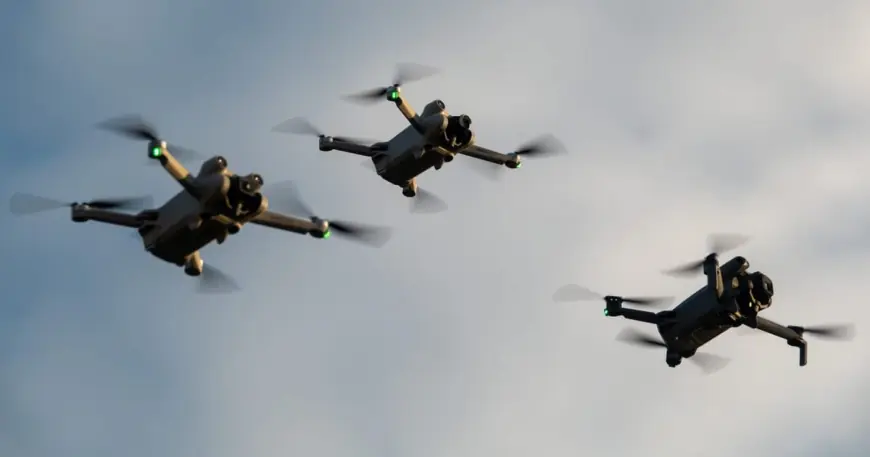
On Sunday night a drone struck the RAF Akrotiri military facility at around midnight local time (22: 00 GMT), causing limited or minimal damage and no casualties. The Cypriot president later identified that strike as involving an Iranian drone and a separate confirmation described the unmanned craft as a Shahed-type vehicle that crashed into military facilities at 12: 03 a. m. local time, producing minor damage.
On the following Monday two unmanned aerial vehicles were intercepted while travelling in the direction of the RAF base, Cypriot government. Base employees received messages warning of an ongoing security threat and sirens were heard in the area. The Sovereign Base Areas Administration said it was arranging the temporary dispersal of non-essential personnel and working with the Republic of Cyprus and local authorities to assist residents who wished to leave the nearby village temporarily.
An alarm was raised at Paphos Airport after a suspected drone was spotted in the airspace and evacuation instructions were issued; the U. S. diplomatic mission in the country warned of a possible drone threat in the Paphos region. Commercial travel was affected: EasyJet cancelled all flights to and from the country on Monday.
How the UK and European responses are shaping operational posture
The UK prime minister agreed to a U. S. request to use British military bases for defensive strikes, and that decision was cited around the same period as the strike on the Cyprus base. UK defence officials have said they are mobilising assets in the region: jets based at RAF Akrotiri have been used to intercept drones and slower-moving cruise missiles, though faster ballistic threats may remain harder to stop.
British forces elsewhere in the region were also engaged: one account said 300 British personnel were within 200 metres of an Iranian missile and drone strike on a U. S. naval base in Bahrain; no casualties were reported. Other incidents included a British interception of a drone in Iraq that had been heading toward a western base, a missile landing 400 metres from UK personnel in Iraq on counter-ISIS operations, and a Typhoon jet shooting down a drone that had been heading toward Qatar. Officials described these strikes as part of waves of retaliatory attacks in response to a major bombing campaign launched against Iran.
Statements, investigations and the uncertainties that remain
Cypriot and UK officials emphasised that investigations are ongoing. The UK foreign secretary said the government and defence ministry are assessing source, locations and timings of the incidents and criticised the wider pattern of drone and missile strikes across Gulf partners as reckless. The Cypriot president reiterated that his country does not participate in or intend to be part of military operations. The European Commission president was briefed and conveyed collective support for member states facing threats.
Authorities also noted that Iran fired two missiles into the eastern Mediterranean in the direction of Cyprus; officials do not believe those missiles were aimed at RAF Akrotiri and said they may have been intended for a nearby U. S. carrier strike group. All UK personnel in the wider region were said to be safe and accounted for, with forces on a heightened alert and locations under review.
- Sunday night: drone struck RAF Akrotiri at about midnight local time (22: 00 GMT); later described as a Shahed-type UAV crashing at 12: 03 a. m. local time, causing minor damage and no casualties.
- Monday: two drones heading toward RAF Akrotiri were intercepted; employees received shelter warnings and sirens sounded; temporary dispersal of non-essential personnel planned.
- Paphos Airport: alarm and evacuation instructions after a suspected drone; U. S. diplomatic mission warned of threats in the Paphos region. EasyJet cancelled flights on Monday.
- Regional incidents: 300 UK personnel within 200 metres of a strike in Bahrain; other drones and missiles engaged near UK forces in Iraq and Qatar; UK jets were active in interceptions.
Here's the part that matters: the combination of a confirmed strike on the base, follow-up interceptions and precautionary evacuations has turned a localized hit into a broader security disruption that affects civilians, service families and regional force posture. The real question now is whether ongoing assessments of origin, timing and intent will prompt further changes to base operations or civilian containment measures.
- Non-essential staff and some family members have been moved or offered relocations; shelter orders were issued for base employees.
- Local authorities coordinated with base administrators to support residents who choose temporary relocation from the adjacent village.
- Commercial travel was interrupted when a major carrier cancelled flights to and from the country.
- Next confirming signals will be formal findings from the ongoing MoD assessments of source, locations and timings and any changes to defensive posture in the region.
What’s easy to miss is how quickly civilian life — from airports to village routines — can be reshaped by these incidents; the practical steps already in motion reflect concern that the security environment may not be static. Recent updates indicate details may evolve as investigations continue.