






















Ozzy Osbourne: Sharon and Kelly Reflect on Birmingham, Final Days and the Posthumous Tribute

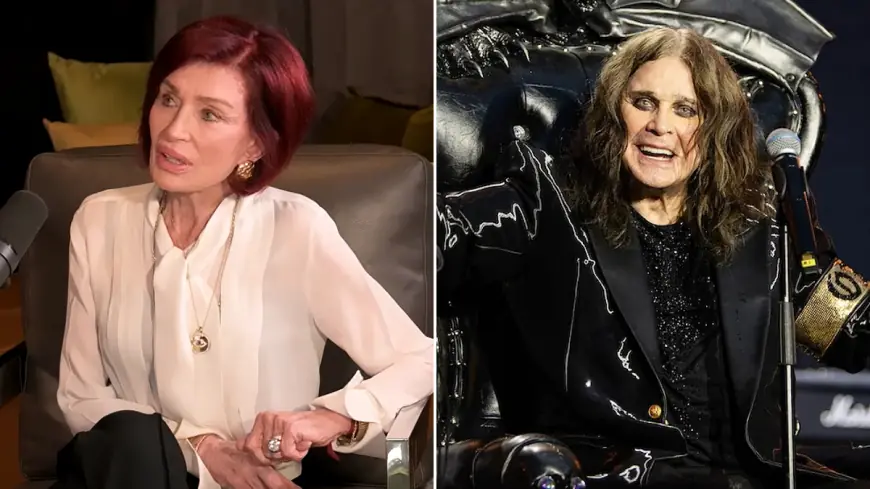
Sharon Osbourne and Kelly Osbourne spoke on the Brits red carpet about why Birmingham meant everything to Ozzy Osbourne and what his final weeks looked like, touching on his hometown pride, serious illness before his last concert, and the posthumous Lifetime Achievement tribute that closed the ceremony in Manchester.
Ozzy Osbourne’s roots and the Villa Park farewell
Sharon emphasised that Ozzy was born and raised in the Aston area of Birmingham and never forgot his hometown. She described his origin as a small working class neighbourhood and said he rose from there to become one of the most recognisable and respected musicians. The Black Sabbath frontman performed the Back to the Beginning farewell show at Villa Park, a venue close to where he was born, and he performed his final sets both as a solo artist and with Black Sabbath.
Ozzy died on July 22nd, last year, aged 76. That date fell just 17 days after the Back to the Beginning concert; Sharon said the family had been told two weeks before the show that he could probably die, and he did.
Brits tribute, Lifetime Achievement award and the Manchester finale
At the ceremony in Manchester Ozzy was honoured posthumously with a Lifetime Achievement award. The event closed with an all-star tribute performance led by Robbie Williams. Sharon curated the tribute and the backing band included Robert Trujillo and Zakk Wylde. Both Sharon and Kelly described having the tribute as an honour.
Sharon on the final days: sepsis, hospitalisation and the choice to perform
In a recent podcast appearance hosted by Bunnie XO, who is Jelly Roll’s wife and also known as Alisa DeFord, Sharon discussed the family’s experience before and after the Villa Park show. She said she is "getting there" as she tries to pick herself up following his passing, that it has been hard, and that she will keep working.
Sharon laid out a sequence of medical setbacks: Ozzy had sepsis earlier in the year, and very few people walk away from sepsis without losing a limb or their life. She said that as soon as he got sepsis, she and the kids knew it was time. Later, when they went to England he went into hospital for a week; upon his release they were warned that it could kill him. Despite that, Sharon recounted that he insisted, "I'm doing my show, " and proceeded to give his final performances because he wanted to go the way he chose.
Sharon framed the decision as his desire to end on his own terms: having lived his life that way, he wanted to "go his way, " and she said he knew what he was doing. She characterised his final onstage exit as both kingly and rock-star worthy.
Final moments and Sharon’s account
Sharon described Ozzy’s last moments as following a fatal heart attack that she characterised as quick. She said she felt he was done when medical staff attempted resuscitation and indicated she told them to stop, to leave him. She expressed gratitude that he went in the way he wanted, calling him a king who loved people and his audience; she added that even if someone did not like his music, they could not dislike him.
Birmingham’s response and the family’s gratitude
Fans flocked to Birmingham after his death, laying thousands of flowers and messages at Black Sabbath bridge. Huge crowds later lined the streets to pay their respects during his final journey through his home city. Kelly said the family were grateful to the people of Birmingham for their support, saying they would never be able to thank the city enough and highlighting how people showed up for their father. Both Kelly and Sharon said the tribute to Ozzy was an honour.
The family reflections on the red carpet and in the podcast combined hometown pride, gratitude for public tributes, and a candid account of the medical struggles that preceded Ozzy’s final decision to perform. Details shared by Sharon and Kelly underline how closely the final chapters of his life were tied to his identity as a Brummie and a performer.